


How to Get Your Product Manufactured in China: A Comprehensive Guide
If you’re new to manufacturing and considering China as your production partner, it might seem a bit overwhelming at first. But don’t worry! This guide is here to demystify the process and help you navigate your way through manufacturing in China. You’ll learn:
- How to do business in China
- Where to find manufacturers
- How to choose the best manufacturer for your needs
- How to protect your intellectual property rights
- How to ensure a smooth manufacturing process
Pros and Cons of Manufacturing in China
Pros:
- Lower Costs:
One of the primary reasons companies choose China for manufacturing is cost. Labour can be significantly cheaper—up to 80% less than in Western countries—though this varies with your product’s complexity. However, you should also consider shipping and import duties, which can add to the overall cost. Remember, prices are negotiable, so don’t hesitate to negotiate hard. - High Output and Fast Turnover:
Chinese factories are renowned for their high production capacity and quick turnaround times. The lower labour costs enable them to handle large orders efficiently. If a manufacturer promises a four-week turnaround, they are likely to meet that deadline, although you should be mindful of ethical concerns regarding labour practices. - Better Customer Service:
Chinese manufacturers are eager to earn your business and often go out of their way to accommodate your needs. However, service levels can change once the contract is signed, so set clear expectations from the outset. - Market Expansion Opportunities:
Manufacturing in China not only gives you access to cost-effective production but also opens doors to the Chinese market itself, which boasts over 1.3 billion potential consumers. By establishing a presence in China, you can leverage local market opportunities more easily.
Cons:
- Intellectual Property Risks:
Protecting your intellectual property (IP) in China can be challenging and costly. You need to safeguard your IP rights both from potential misuse by manufacturers and in the Chinese market. Engaging an attorney experienced in Chinese law is essential. - Finding Your Factory:
Identifying a reliable factory requires significant effort and due diligence. Building a relationship with a manufacturer across the globe is not straightforward, but there are strategies and resources available to ease this process. - Language Barriers:
Unless you’re fluent in Mandarin or Cantonese, language can be a significant barrier. Many Chinese businesspeople may not be proficient in English, so hiring a translator can help. Additionally, understanding Chinese business culture is crucial, as it differs significantly from Western practices. - Higher Minimum Orders:
Chinese factories often have higher minimum order quantities due to lower profit margins. If your company cannot meet these minimums, you might find higher prices for smaller orders or need to seek alternatives. - Shipping:
Shipping from China can be time-consuming and costly, depending on your choice of shipping method. Consider all shipping costs, including duties and tariffs, when budgeting. - Quality Control:
China’s reputation for low-quality manufacturing can be misleading. The quality of your product will largely depend on the manufacturer you choose. To ensure quality, consider hiring a local agent for inspections and quality control. - “Made in China” Stigma:
There is a lingering stigma associated with products manufactured in China. However, many top global brands manufacture there successfully. This stigma shouldn’t deter you if the benefits outweigh the drawbacks.
Understanding Chinese Business Culture

Networking in China:
In China, business is built on relationships, or guanxi. This network of connections is crucial for successful business dealings. Building guanxi involves establishing trust and mutual reciprocity. It’s essential to nurture these relationships, as they are integral to your business success.
Negotiating in China:
Negotiations in China focus on building trust and long-term cooperation rather than immediate gains. Be patient, maintain a positive attitude, and avoid criticism. The process can be slower compared to Western standards, and it’s important to understand that negotiations may be ongoing.
Face-to-Face Meetings:
Face-time is crucial in Chinese business culture. Spending time in China and participating in non-business activities can help build rapport and trust. This will make future negotiations smoother and more effective.
Understanding the Hierarchy:
Chinese business culture places significant emphasis on hierarchy. Be aware of the status of individuals you interact with and avoid actions that might inadvertently cause offence. For example, always greet senior individuals first and respect their status in meetings.
Key Strategies for Negotiating in China:
- Learn Basic Phrases: Knowing a few polite phrases in Mandarin can make a good impression.
- Hire a Seasoned Translator: A translator familiar with Chinese business practices can be invaluable.
- Expect Multiple Rounds of Negotiation: Be prepared for extensive discussions and potential renegotiations.
- Be Patient: Chinese business negotiations can be lengthy and require patience.
- Use Mediators: Mediators can help navigate disagreements and facilitate smoother negotiations.
- Understand Local Business Practices: Research and understand Chinese business customs and expectations.
Evaluating Meeting Success:
It can be challenging to gauge the success of a meeting in China. Be cautious if your counterpart avoids eye contact or provides vague responses. Having knowledgeable advisors who understand Chinese culture and business practices can help you interpret these signals more accurately.
By understanding and adapting to Chinese business culture and practices, you can navigate the complexities of manufacturing in China more effectively. Keep these tips in mind as you embark on your manufacturing journey, and don’t hesitate to seek professional advice to ensure a successful partnership.
Dressing and Communicating for Success in China
Understanding the nuances of business etiquette and communication in China can significantly impact your success. Here’s how you can navigate the cultural landscape effectively:
Dressing Appropriately
For Men:
- Suits and Ties: Opt for a conservative suit in dark colors like navy or charcoal. A tie is essential; avoid flashy patterns and choose something classic.
- Shoes and Accessories: Wear polished, formal shoes. Classic jewelry such as a quality watch or a simple wedding band is appropriate.
- Overall Appearance: Aim for a sophisticated and professional look. Avoid anything too casual or trendy.
For Women:
- Colors and Styles: Stick to pastel or darker colors. Avoid bright, bold colors. Choose conservative skirts that fall below the knee and avoid high heels that are too tall or open-toed.
- Jewelry and Accessories: Opt for understated jewelry. A simple necklace or stud earrings are usually suitable.
- Overall Appearance: Ensure your outfit is professional and modest. This helps in making a good impression and shows respect for local norms.
Email Etiquette
Post-Meeting Follow-Up:
- Timeliness: Send a thank-you email within 48 hours of your meeting.
- Content: Express gratitude, recap the key discussion points, and outline any agreed-upon terms or next steps.
- Tone: Keep the tone positive, polite, and professional. This reinforces your commitment and helps maintain a strong guanxiwang (network) relationship.
Business Cards
Exchanging Cards:
- Preparation: Have business cards with both English and simplified Chinese characters. Avoid traditional Chinese characters as they are used in Hong Kong or Taiwan.
- Presentation: Present your card with the Chinese side facing the recipient, using both hands. When receiving a card, take a moment to read it before placing it in a cardholder, not your pocket.
Gift Giving
When to Give a Gift:
- Occasions: Be prepared to give a gift, especially if your Chinese counterpart gives you one first. Gifts are often exchanged at the end of meetings or during your stay.
- Type of Gift: Choose something representing your home city or country. It doesn’t need to be expensive; the thought and representation are what matter.
Key Manufacturing Cities in China

- Shanghai
- Economic Hub: Shanghai is a major financial and trade center with a vast manufacturing sector. Products include electronics, automobiles, textiles, and chemicals.
- Nearby Cities: Ningbo and Hangzhou are linked to Shanghai and are also significant manufacturing centers.
- Beijing
- Focus Areas: Known for pharmaceuticals, electronics, bioengineering, and IT. It is a major player in the high-tech industry.
- Position: Located north of Shanghai, it’s a vital center for various advanced industries.
- Tianjin
- Industries: Leading in aerospace, aviation, mobile phones, and automobiles.
- Logistics: Home to the largest northern port, it serves multiple provinces and Mongolia.
- Guangzhou
- Manufacturing Hub: As a key city in the Pearl River Delta, Guangzhou is home to thousands of factories. Key industries include automobiles, electronics, and petrochemicals.
- Global Presence: Major global brands like Toyota, Honda, and Sony have manufacturing operations here.
- Shenzhen
- Electronics Leader: Known as the global hub for electronics manufacturing, Shenzhen also boasts the second busiest port in the world.
- Major Brands: Companies like Apple, LG, and Huawei manufacture products here, benefiting from its advanced logistics and technology infrastructure.
So now you’ve got a better idea of the business culture in China, and you know the main cities in the manufacturing industry. It’s time to make sure you’re fully prepared before you start looking for manufacturers.
What You Need to Know Before You Start the Process
Before embarking on your search for a manufacturer, you should consider three key factors: product, price, and quantity. Once you have these details, it will be much easier to find a quality manufacturer that meets your needs.
What Do You Want to Produce?
If you haven’t already decided, now is the time to start thinking about this. Having a clear plan of what you want to produce will make it significantly easier to choose the right manufacturer.
For instance, if you want to produce denim jeans, you can focus on finding a manufacturer who specialises in denim clothing.
What’s the Sales Price?
Determining your sales price is crucial for understanding how much you can afford to spend on manufacturing each item while still making a profit. Consider all your start-up costs to figure out how much you can allocate for production.
If you plan to sell your product for £30 and other expenses amount to £5, you’ll have less than £20 to spend on production to ensure you make a sufficient profit.
How Many Do You Need?
Knowing your budget for production will help you determine the quantity you need. Manufacturers in China often have minimum order quantities, so understanding how many units you require will streamline your search.
With this information, you’ll have a clearer idea of the manufacturers who can meet your requirements. The next step is to research and find potential suppliers.
Where to Find Chinese Manufacturers
With a solid understanding of your business needs—what you want to produce, your budget, and the quantity required—it’s time to start finding your manufacturer.
This step is critical, and thorough research is essential before selecting a manufacturer. Without due diligence, this process can become exhausting and costly. If you’re new to this, finding quality manufacturers that fit your needs can be challenging, and you may feel like you’re hitting dead ends.
Be patient, and you’ll find the ideal partner for your business.
Online Directories
Online directories are an excellent, cost-effective starting point. These platforms feature profiles of hundreds or thousands of manufacturers. Some of the best options include:
Alibaba.com
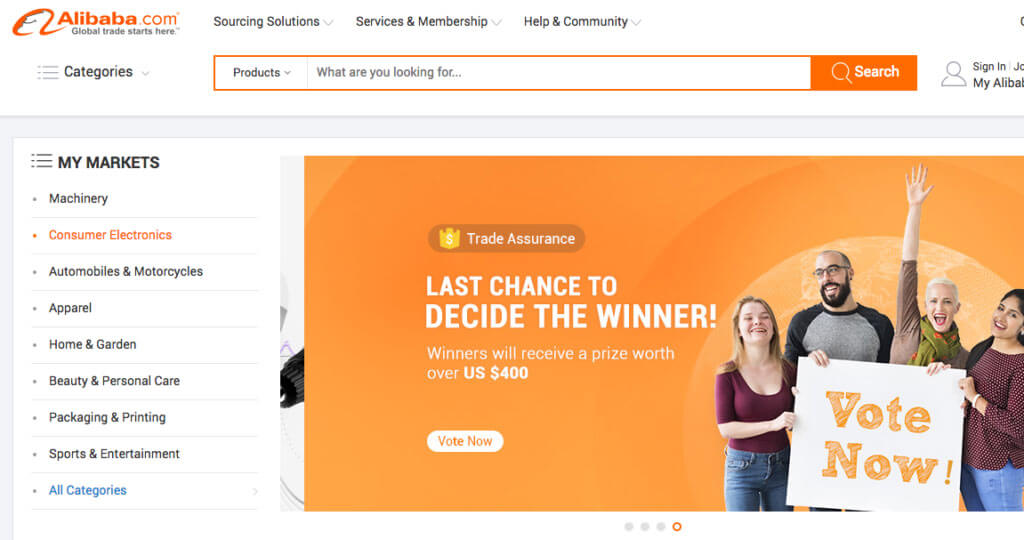
The world’s largest online directory of manufacturers and suppliers, Alibaba boasts thousands of verified manufacturers with strong performance ratings. The website is user-friendly and provides a comfortable experience with its trade assurance rating.
Globalsources.com

Global Sources, Alibaba’s closest competitor, doesn’t offer trade assurance but includes extensive ratings and some assistance. It’s worth reading as many reviews as possible. This site is a good alternative if you can’t find what you need on Alibaba.
HKTDC.com

HKTDC stands for the Hong Kong Trade Development Council, which supports Hong Kong-based suppliers and organises trade shows at the Wan Chai exhibition centre in Hong Kong. You’ll find a high proportion of Hong Kong companies here.
Note that some listed companies are trading firms, but we will discuss this further below.
Made-in-China.com
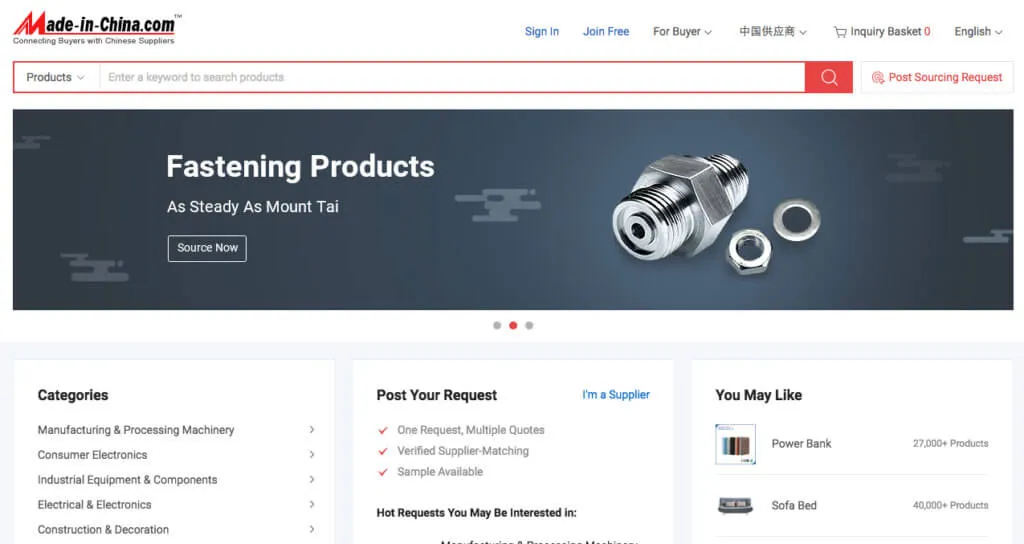
Ranking third or fourth among major players, Made-in-China primarily deals with larger items. While the rating system isn’t as comprehensive, they do offer quality inspection and reporting services. This site is often recommended for industrial products and parts.
The Trick to Using Online Directories
The best way to utilise these online directories is to identify manufacturer clusters rather than individual factories. In China, manufacturing often occurs in geographical clusters—electronics in Fujian province, plastic moulding in Zhejiang province, and so on. Identifying a cluster and visiting in person can help you find the best manufacturer.
While you can use online directories to source suppliers, visiting them in person is preferable as many of the best factories may not be listed online.
Online directories are also useful for price checking. If you’re unsure whether your supplier is charging fairly, you can request quotes from similar factories to understand the price range better.
For simple products, these directories can be effective for finding suppliers. However, for more complex products requiring multiple moulds and electronic parts, finding the right manufacturer might be more challenging.
Physically Searching
The “on-foot” approach involves travelling to China to find manufacturers. This method is time-consuming and requires a significant investment of time and money. However, the benefits are substantial.
You’ll get a first-hand look at the facilities and samples, which reduces the risk as you’ll know exactly what you’re getting. You’ll also have the opportunity to build your guanxi network and solidify relationships. You might discover top-notch factories that aren’t listed online, potentially leading to even better options.
If you choose this approach—and I strongly recommend it—here’s how to make the process smoother:
Finding Manufacturers in Advance
Using the sites we’ve previously discussed, compile a list of your preferred manufacturers who produce the same or similar products to what you want to manufacture.
Plan Your Questions
It’s crucial to be well-prepared. There’s nothing worse than arriving at a meeting unprepared, having made the journey, only to realise you’re unsure of what to ask or you’ve forgotten key questions.
Refer to the questions outlined in the ‘What to Ask Manufacturers’ section of this guide.
Set Up Meetings
Arrange meetings with your preferred manufacturers ahead of time. This will save you considerable time and effort.
Use a Translator
If you’re concerned about language barriers, it’s worth investing in a reliable local translator to assist you. Choose a translator who is familiar with the area you will be visiting.
Examine the Facilities
When meeting potential manufacturers, ask to inspect their facilities. If you’re satisfied with what you see, request a few samples to review before proceeding further.
If travelling abroad isn’t feasible, consider sending a trusted representative. For the best results, having a physical connection with your manufacturer is valuable. Showing up in person signals to the factory boss that you’re serious, which can lead to faster and clearer communication, and ensures the factory can indeed produce your product.
Attend Trade Shows
Another option is to attend trade shows within your industry to network with other buyers and suppliers. Often, the best suppliers may not be listed on Alibaba or other online directories, as they might already have sufficient business or prefer working with proven buyers. Networking at trade shows can increase your chances of receiving recommendations and referrals.
Do some research in advance to identify who you want to meet. Many trade shows provide a list of attendees, allowing you to reach out beforehand. When you arrive, you’ll already be a warm lead, potentially accelerating relationship-building.
Start with the Canton Fair, the largest sourcing trade show in China, or the East China Fair in Shanghai. If travelling to China isn’t possible, consider trade shows in the U.S. with significant Chinese participation, such as the International Consumer Electronics Show (CES) in Las Vegas.
Bear in mind that trade shows in the U.S. might limit your pool of Chinese suppliers and potentially affect the deals you can secure.
Attend Factory Tours
Several companies offer organised factory tours in China. After researching the manufacturers you’re interested in, these companies can arrange your trip, including transport, a translator, accommodation, airport pickups, and travel to and from factories.
These tours can efficiently allow you to visit multiple factories. Some companies even provide an account manager to accompany you to trade fairs.
Popular tour providers include:
Social Media
While social media is not the ideal platform for finding suppliers, it can offer feedback and reviews of potential suppliers. Be cautious, as this information is often unverified, and reviews may be anecdotal or limited.
You can search for relevant LinkedIn networks and groups focused on sourcing in China, such as:
- China Sourcing
- China Sourcing Forum
- China Sourcing, Networking, Import, Export, Trading, Manufacturing
- China Sourcing Group
- China Trade Group
Subscribe to Trade Magazines
Reading trade magazines can help you become familiar with leading suppliers over time.
Find trade magazines to subscribe to here.
Perform a Deep Dive on Search Engines
A thorough search on search engines can be beneficial, but you need to go beyond the basics. Many manufacturers’ websites may not be optimised for SEO or Google’s algorithm changes, so you might need to dig deeper into search results.
There is no direct correlation between a manufacturer’s website and their production expertise. Many websites may appear outdated or unattractive. Don’t dismiss them until you’ve contacted them and requested samples.
When searching, use various terms like manufacturer, supplier, wholesale, wholesaler, and distributor. Experiment with different searches and use search shortcuts to improve results.
If you know someone who speaks Chinese, ask them to help with searches on Baidu.com, the Chinese equivalent of Google. You might find manufacturers with a strong presence on Baidu that don’t rank well on Google.
Referrals
Referrals can provide some of the best leads. Reputable Chinese manufacturers often prefer working with recommended individuals. Leverage any industry connections you have to gain referrals.
Commission-Based Sourcing Agents
If managing the sourcing process directly seems too risky, consider hiring a commission-based China sourcing agent. They can help identify and verify suppliers and facilitate communication, with fees typically ranging from 3% to 10% of the purchase price.
While they handle some of the legwork, you should remain closely involved in transactions. Don’t rely on them for quality control or cost-effectiveness entirely, and be aware of potential hidden commissions between agents and manufacturers.
Sourcing Service Providers
For comprehensive assistance throughout the process, consider hiring a sourcing service provider. They can handle supplier identification, price negotiation, supply management, quality control, and logistics.
Pros include reduced stress and hassle, but you may miss out on learning about the Chinese market. Sourcing service providers can be more expensive than commission-based agents, so expect higher upfront costs.
Trading Companies
You may encounter trading companies during your search. These are useful if you want to purchase small quantities without dealing with the complexities of sourcing directly in China. However, they work with multiple suppliers, leading to higher costs and potential quality issues.
Be cautious as some trading companies may pose as manufacturers. To identify them:
- Ask if they are a trading company or factory.
- Request a factory visit.
- If visiting, speak with the workers (some companies may take you to random factories).
Final Word on Finding Chinese Manufacturers
If you’re serious about manufacturing in China, visiting the factory and meeting them in person is crucial. It demonstrates your commitment and seriousness.
Use the research methods to compile a list of 3-5 top manufacturers and visit their facilities. This will give you a clearer idea of your top choices.
It’s essential to verify manufacturers’ claims in person, as Chinese factories may promise more than they deliver. The cost of a trip is minor compared to potential losses from production errors.
Next, we’ll explore how to efficiently track all the information gathered during your research phase.
Building Your Master List of Chinese Manufacturers
During your research phase, you’ll encounter numerous potential partners, so it’s important to keep a comprehensive record of all candidates. This approach increases your chances of finding the manufacturer that best meets your needs.

Creating a master list is essential for tracking the manufacturers you’ve reviewed, including their contact details, the date you made contact, the person you spoke to, and the key points of your conversation. This organised approach keeps all your information in one accessible place, making it easier to navigate and compare different manufacturers.
Platforms for Building Your Master List
Two excellent platforms for building and managing your master list are Excel and Google Spreadsheets. Here’s an example of the headings you should use for your list:
| Manufacturer’s Name | Website | Contact Details | Date of Contact | Contact Person | Notes |
| Example Manufacturer | www.example.com | +44 123 456 789 | 01/09/2024 | John Smith | Discussed pricing and MOQ. Awaiting quote. |
Headings and Tips
- Manufacturer’s Name: Record the names of all potential manufacturers here. Keeping your list in alphabetical order will save time. To sort alphabetically, highlight the column and use the filter button to arrange names from A-Z.

- Website: If the manufacturer has a website, note it down here. This will help you quickly access their online presence for additional information.
- Contact Details: Include phone numbers and email addresses. Having these details readily available streamlines the process of contacting each manufacturer.
- Date of Contact: Track the date you contacted each supplier. This helps you monitor follow-ups and ensure timely communication.
- Contact Person: Record the name of the individual you spoke with. It’s crucial to maintain continuity by speaking with the same person on subsequent calls to avoid confusion and delays.
- Notes: Use this section to document important information from each interaction. For example, if a manufacturer promised to send a cost breakdown by a certain date, note this so you can follow up if necessary.
Keep Your List Updated
Maintaining and updating your master list is vital. It’s easy to fall behind or get information mixed up when managing multiple manufacturers simultaneously. Regularly updating your list will prevent confusion, ensure you don’t lose valuable information, and help you identify the best potential partners more efficiently.
A well-maintained master list simplifies the process of narrowing down your choices and facilitates smoother communication with manufacturers.
How to Choose the Right Chinese Manufacturer

Once you’ve completed your research, you’ll likely have a list of potential manufacturers. The next crucial step is selecting the right one from your master list. This can be challenging, as many manufacturers may promise the world but fail to deliver. It’s essential to identify and eliminate low-quality manufacturers and choose a partner with whom you can build a long-term relationship.
Creating Your RFQ (Request for Quote)
Before making a decision, you need detailed information from your potential manufacturers, such as pricing, tooling costs, minimum order quantities (MOQs), supplier details, certificates, and payment terms. An RFQ is a vital tool for this purpose. Here’s what you should include:
Technical Specifications
Your pricing depends on the quality, which in turn relies on the technical specifications of your product. Providing these specifications is crucial for obtaining accurate quotes.
- OEM Products: If you’re looking for a custom-designed product, you must provide detailed specifications. Include:
- Design drawings
- CAD files
- Dimensions
- Size tables
- Print files (e.g., .ai format)
- Prototypes
- Material specifications
- ODM Products: For private label products, provide a guideline specification or reference products. You’ll need:
- Guideline specifications or fixed quality requirements
- List of ‘gap’ specifications for the manufacturer to fill in
- Reference products
- Material specifications
- Print files (e.g., .ai format)
- Tooling list (e.g., injection molds)
Make sure you decide whether you want an OEM or ODM product before starting this process.
Applicable Standards & Regulations
Specify any safety standards and regulations your product must meet. Without this information, you may not receive accurate pricing or compliance assurances.
Manufacturer Information & Order Terms
In addition to technical specifications and pricing, gather detailed information about the manufacturer and their order terms:
- Company Information: Registered capital, registered address, and contact person
- Compliance Documents: Technical files, substance test reports, and declarations of conformity
- Company Certificates: Quality management system certificates, social compliance, and audit reports
- General Terms: MOQ, production time, ODM availability, and OEM sample production time
- Payment Terms: Bank account details, payment methods, letter of credit (L/C) minimum order value, and telegraphic transfer (T/T) payment plan
Your RFQ doesn’t need to be elaborate; a simple Google Doc or Excel file will suffice. Ensure it’s clear, accurate, and easy to understand.
Key Questions to Ask Chinese Manufacturers

When assessing potential manufacturers, ask the following questions to ensure you choose the right one:
- What’s the Minimum Order Quantity (MOQ)?
- Understand their MOQ to ensure it aligns with your needs. This can significantly impact your decision.
- What Are the Prices Per Sample?
- Get a sample to evaluate quality. Sample prices can vary from free to discounted rates.
- What Are the Production Costs?
- Request a detailed breakdown of costs, including manufacturing, shipping, tariffs, and any additional fees.
- How Long Will It Take to Manufacture Your Product?
- Production time can vary based on quantity and complexity. This is crucial for planning and meeting deadlines.
- What Is Their Manufacturing Expertise?
- Ensure the manufacturer has experience with products similar to yours.
- Have They Made Similar Products?
- Experience with similar products indicates their capability to meet your requirements.
- What Are Their Payment Terms?
- Payment terms can vary. Understand their terms, such as credit options and payment schedules.
- Under What Circumstances Will Prices Change?
- Discuss factors that could affect pricing, such as material costs and market fluctuations.
- What Is the FOB Point?
- Determine when ownership of the product transfers to you (e.g., when it leaves their docks or upon delivery).
- Can They Provide Liability Insurance?
- Check if they can provide liability insurance to cover potential product issues or recalls.
- What Is Their Usual Customer Profile?
- Understanding their customer base can indicate their reliability and the level of attention you might receive.
- How Big Is Their Factory?
- A larger factory often signifies more experience and stability.
- What Quality Assurance Steps Do They Take?
- Ensure they have robust quality assurance measures to minimise the risk of defects.
- Where Do They Source Their Materials From?
- Ask for details about material sources to ensure high-quality components.
By asking these questions and carefully evaluating the responses, you’ll be better positioned to select a manufacturer that meets your needs and helps ensure a successful partnership.
Important Considerations for Choosing the Right Chinese Manufacturer
Ask Everyone the Same Questions
To make a fair comparison between potential manufacturers, ensure you ask each one the same set of questions. This will allow you to directly compare their responses and identify any discrepancies. If a manufacturer is unwilling to answer any of your questions, it’s a red flag, and they should be removed from your list.
MOQ Negotiations
Minimum Order Quantities (MOQs) can be a significant barrier, especially if you’re a small buyer or want to test the market before placing a large order. However, MOQs are often negotiable. Here’s how you might approach negotiations:
- Streamline Material and Components
- Reducing the variety of materials and components used can help lower MOQ requirements. If your product relies on many different materials, it may force the manufacturer to meet the MOQ of their subcontractors. Simplifying your product’s design can help avoid this issue.
- Limit Customization
- Products with high customization requirements often have higher MOQs. Using standard components or designs can reduce MOQ. If you need customization, try to limit it to branding or minor design changes that don’t require new materials or components.
- Offer to Pay a Higher Price
- Sometimes, paying a higher price can incentivize manufacturers to accept smaller orders. This compensates for their lower profit margins and the effort involved in handling smaller quantities.
- Use the Same Components Across Product Lines
- If you’re manufacturing multiple products that use the same core components, it can help meet MOQ requirements. For example, different styles of watches that use the same internal mechanisms can help achieve MOQ for those components.
- Negotiate with Understanding
- Understand why the manufacturer has set their MOQ. It might be due to the cost of setting up equipment or the need to ensure profitability. Propose a solution that addresses their concerns, such as paying setup fees or adjusting the order quantity.
Do Your Due Diligence
After gathering initial information, it’s crucial to perform thorough due diligence:
- Ask for References
- Request references from current or past clients. Contact these references to verify the manufacturer’s reliability and performance. Ask about:
- Product quality
- Defect rates
- Shipping issues
- Adherence to deadlines
- Overall satisfaction
- Aim to get at least five references and prefer to speak with them over the phone for a clearer understanding.
- Request references from current or past clients. Contact these references to verify the manufacturer’s reliability and performance. Ask about:
- Online Search and Ratings
- Investigate the manufacturer’s online presence. Check major B2B platforms and search for any negative reviews or scam warnings. This can help identify potential red flags.
- Certifications and Documents
- Verify key registration documents and certifications to ensure legitimacy:
- Chinese Business License: Confirms the company’s registration details.
- Bank Account Certificate: Ensures payments are made to a legitimate business account.
- Tax License: Supports the business license and confirms tax registration.
- ISO 9001 Certificate: Indicates quality management systems.
- ISO 14001 Certificate: Shows environmental management practices.
- Verify the authenticity of these documents through independent sources if possible.
- Verify key registration documents and certifications to ensure legitimacy:
- Product Test Reports
- Request test reports for your product to ensure it meets quality and safety standards. Determine the testing specifications and who will perform the tests. Ensure the certifications are valid for your country’s import regulations.
- Chinese Manufacturer Product Brochure
- Review brochures carefully as they may include products that the manufacturer doesn’t produce themselves. Ensure you’re dealing directly with the producer of the products you’re interested in.
Asking for Samples
Even with all the right answers and documents, seeing physical samples is crucial:
- Request Samples
- Ask for samples of your product or similar ones to evaluate quality and consistency. Serious manufacturers should be willing to provide samples, ideally at no extra cost.
- Shipping and Logistics
- Inquire about the factory’s location, shipping process, and logistics partnerships. Ensure they can handle customs clearance and provide reliable shipping options.
- Evaluate Samples
- Upon receiving samples, examine them for quality, consistency, and adherence to specifications. If a manufacturer cannot provide quality samples, they may not be the right fit for your needs.

- Upon receiving samples, examine them for quality, consistency, and adherence to specifications. If a manufacturer cannot provide quality samples, they may not be the right fit for your needs.
By following these steps and conducting thorough due diligence, you’ll be better positioned to select a reliable and capable Chinese manufacturer that meets your needs and expectations.
Final Word on Narrowing Down Your Choices
After narrowing down your list to a few potential manufacturers, making the final decision can still be challenging. Here are a few key factors to consider to help make that crucial choice:
1. Specialization
- Expertise Matters: If one of your shortlisted manufacturers specializes in the type of product you need, they may be the best choice. Specialization often means greater experience, better quality control, and more efficient production processes for your specific product.
2. Exporting Experience
- Western Market Focus: Manufacturers with a significant portion of their business in Western countries, such as the U.S. or Europe, are likely to have higher standards. They will be more familiar with:
- Product Safety: Meeting stringent safety regulations.
- Labeling and Packaging: Complying with specific requirements.
- Intellectual Property: Respecting and protecting your IP rights.
- Logistics: Handling international shipping and customs.
3. Philosophies and Alignment
- Cultural Fit: Consider whether the manufacturer’s management philosophies align with your own. A manufacturer whose values and operational approach match yours is likely to provide a smoother and more collaborative working relationship.
4. Patience and Due Diligence
- Take Your Time: Finding the right manufacturer can take time. Don’t rush the process. Ensure you thoroughly vet each option to avoid costly mistakes.
- Value Over Cost: Focus on finding the best overall solution, not just the lowest price. A cheaper manufacturer might seem appealing but could result in higher costs in the long run due to poor quality or delays.
5. Protecting Your Intellectual Property
- Before Moving Forward: Once you’ve selected a manufacturer, the next crucial step is to protect your intellectual property. This involves:
- Non-Disclosure Agreements (NDAs): Draft and sign NDAs to safeguard your designs and proprietary information.
- Patents and Trademarks: Ensure that your patents and trademarks are registered in relevant jurisdictions.
- Legal Counsel: Consult with legal experts to draft and review contracts and agreements to ensure your IP is well-protected.
Next Steps: Getting a Sample
- Request a Sample: Before finalizing your decision, request a sample of your product. This allows you to verify quality and make any necessary adjustments before committing to a full order.
- Evaluate the Sample: Assess the sample for:
- Quality: Ensure it meets your specifications.
- Consistency: Check for uniformity with your requirements.
- Fit and Finish: Verify that it aligns with your design and performance expectations.
- Finalize Terms: Once satisfied with the sample, finalize the terms of your agreement, including pricing, payment terms, and delivery schedules.
- Continuous Monitoring: Even after choosing a manufacturer, maintain oversight to ensure consistent quality and address any issues promptly.
By taking these steps and carefully evaluating your options, you’ll be better positioned to select a reliable manufacturer and set up a successful partnership. This thorough approach will help mitigate risks and contribute to the overall success of your manufacturing and business endeavors.
How to Protect Your Intellectual Property Rights When Manufacturing in China

When you’re preparing to manufacture products in China, safeguarding your intellectual property (IP) is crucial. IP theft is a significant issue in China, and companies face substantial risks if they don’t take proactive measures. Here’s a comprehensive guide to protecting your IP:
1. Use a Non-Disclosure Agreement (NDA)
Purpose: An NDA is a legal document where the manufacturer agrees not to disclose or misuse your confidential information.
Key Points:
- Sign Before Sharing: Ensure the NDA is signed before you reveal any sensitive information.
- Dual Language: Draft the NDA in both English and Chinese, with the Chinese version being the official document.
- Include Key Provisions:
- Attorney’s Fees: To cover legal costs if the NDA is breached.
- Injunctive Relief: Allows you to quickly stop violations and recover damages.
Why NDAs Might Fail:
- Jurisdiction Issues: NDAs calling for disputes to be resolved in the U.S. are often unenforceable in China. Chinese courts do not enforce foreign judgments, which means that a U.S.-based NDA might be ineffective.
2. Consider a Non-Use, Non-Disclosure, Non-Circumvention Agreement (NNN)
An NNN Agreement is more robust and tailored for China. It covers three main aspects:
Non-Use/Competition:
- Ensures the manufacturer cannot use your idea or product in competition with you.
Non-Disclosure:
- Prevents the manufacturer from revealing your concept to others. Specify that disclosure within their group is also prohibited and that the manufacturer is liable for any breaches by group members.
Non-Circumvention:
- Prevents the manufacturer from bypassing you to deal directly with your customers or markets. This clause protects against the manufacturer selling your product at lower prices or distributing it independently.
Drafting an Enforceable NNN:
- Governing Law: Use Chinese law as the governing law.
- Language: Write the agreement in Chinese to ensure clarity and enforceability in local courts.
- Jurisdiction: Specify that disputes will be resolved in Chinese courts.
- Contract Damages: Include a specific monetary amount for damages to deter breaches and facilitate asset seizure.
3. Register Your Trademark in China
Why Register?:
- Legal Protection: Patents and trademarks are territorial. A trademark registered in the U.S. or elsewhere does not protect you in China.
- Avoid Complications: Without registration, you could face difficulties in selling or manufacturing your products under your brand in China.
China’s First-to-File Rule:
- China follows a “first-to-file” system. The first person to file for a trademark gets the rights, regardless of prior use.
Chinese Characters:
- Translation vs. Transliteration: Ensure your trademark is registered in both English and Chinese characters. Transliteration (e.g., “Penfolds” to “Ben Fu”) helps protect your brand’s identity.
- Research: Use the Chinese Trademark Office’s resources to check for similar trademarks. Consider consulting with professionals who can navigate the language and regulatory nuances.
Restrictions on Chinese Trademarks:
- Prohibited Content: Avoid names or symbols that might be discriminatory, misleading, or contrary to socialist morals.
- Consult Experts: Seek advice from trademark counsel to ensure compliance with Chinese regulations.
4. Other Considerations
Due Diligence:
- Evaluate Manufacturers: Assess their reputation and history to avoid those with a poor track record on IP matters.
- Legal Counsel: Engage with legal experts specializing in Chinese IP law to draft and review your agreements.
Continuous Vigilance:
- Monitor Compliance: Regularly check for any signs of IP misuse and be prepared to take action if necessary.
By implementing these strategies, you can better protect your intellectual property when manufacturing in China, reducing the risk of theft and ensuring your innovations remain secure.
Filing Your Trademark Directly in China
When you file a trademark application directly with the Chinese Trademark Office (CTMO), you’re navigating a specific process with distinct requirements and benefits. Here’s a comprehensive guide to help you through this process:
Benefits of Direct Filing
- Priority Date: Your filing date becomes your date of priority, which is crucial under China’s “first-to-file” rule. This means your application date determines your rights, so filing early is advantageous if another party files for a similar trademark.
- Control Over Subclasses: Direct filing allows you to specify the subclasses for your trademark, which helps in accurately categorizing your goods or services.
What You’ll Need for Direct Filing
- IP Owner’s Information:
- Name and address of the IP owner.
- A Chinese version of the name if possible.
- Trademark Sample:
- A high-quality representation of your trademark.
- Explanation of the mark’s meaning, if applicable.
- Goods/Services Classification:
- List and description of goods/services.
- Use the International Classification and List of Acceptable Names of Goods and Services to avoid rejection.
- Power of Attorney:
- Signed by the applicant.
- No notarization or legalization needed.
- Company Documentation:
- Company: Certificate of Incorporation.
- Individual: Passport or photo ID card.
- Additional Documents:
- Letter of Consent: Required if your trademark includes a picture or portrait of an individual.
- Certified Copy of Foreign Application: If claiming foreign priority.
The Examination Process
- Initial Review:
- The CTMO checks for completeness and accuracy of documents.
- Detailed Examination:
- The CTMO examines for conflicting applications and compliance with requirements.
- This process can take up to 9 months, ending with a preliminary approval or rejection.
- Opposition Period:
- Duration: 3 months following preliminary approval.
- Process: Others can challenge your trademark. If challenged, the CTMO may reject your application or grant it after review by the Trademark Review and Adjudication Board (TRAB), which can take 6-12 months.
- Finalization:
- If no opposition, or if opposition is resolved favorably, you’ll receive the Certificate of Registration within 12-15 months. The trademark is valid for 10 years and can be renewed.
Reasons for Trademark Cancellation
- Fraudulent Acquisition: If the trademark was obtained fraudulently.
- Non-Use: Not used for three consecutive years.
- Generic Name: Becomes a generic term for the goods/services.
- Unauthorized Changes: Changes made without CTMO approval.
- Address Changes: Address changes made without CTMO approval.
Protecting Your Molds and Customized Tooling
To prevent your Chinese manufacturer from misusing or keeping your molds, consider the following strategies:
- Mark Your Molds:
- Etch or engrave your name and property rights on the molds.
- Ensure markings are both visible and hidden to deter tampering.
- Wrap Molds Between Runs:
- Use proprietary adhesive tape and seals during final inspection.
- Instruct the manufacturer to send a photo of the sealed package before unwrapping.
- Store Molds Separately:
- Use a trusted third party in China to store molds between production runs.
- Clearly define ownership terms, maintenance responsibilities, and compensation for mold damage in your sales agreement.
- Use Codes:
- Encrypt technical information on files to prevent unauthorized use.
- Break Up Manufacturing:
- Divide the manufacturing process to prevent any single supplier from producing the entire product. This is most effective for products with embedded electronics.
- Inform Customs:
- Provide information to your country’s customs to help prevent counterfeit products from entering your market.
Additional Tips
- Consult with IP Professionals: Given the complexity of Chinese trademark law, working with a local IP attorney or agent can ensure compliance and help navigate the process effectively.
- Monitor Compliance: Regularly check that your trademarks are not being misused and take action if necessary.
By following these guidelines and leveraging expert advice, you can effectively protect your intellectual property and minimize risks when manufacturing in China.
Pre-Production: Getting Your Product Samples
When preparing to manufacture your product in China, creating effective sample order terms is crucial. These terms will guide your interactions with the manufacturer and can help you avoid costly delays. Here’s a detailed guide on how to draft sample order terms and ensure a smooth pre-production process.

1. Product Details
- Design File
- Product Description: Clearly detail what your product is, including its purpose, materials, appearance, production timeline, and acceptance criteria. This ensures the manufacturer fully understands your requirements.
- Product Functionality: Explain how your product should work and any limitations on its functionality.
- 3D CAD Files: Provide 3D CAD models of your product. These files should include all dimensional data and can be used to create the cutting programs for CNC machining. Common formats include STL (for SLS prototypes) and IGS (for CNC machining). Confirm with your manufacturer which formats they can handle.
- 2D Technical Drawings: Include detailed 2D technical drawings with the following elements:
- Title Block Information: Details such as the design owner, designer, drawing checker, identification number, product name, date of release, and revision level.
- Product Drawing: Multiple views of the product including sectional views for clarity.
- Dimensions: Accurate measurements with tolerances to indicate acceptable size ranges.
- Tolerances: Specify upper and lower limits for dimensions.
- Critical to Quality (CTQ) Information: Highlight key attributes such as surface finish, color, and other quality-critical aspects using a key or symbols.
- Bill of Materials (BOM): Create a detailed BOM that includes:
- BOM Level: Hierarchical structure of parts.
- Part Number: Unique identifiers for each part.
- Phase: Lifecycle stage of each part.
- Description: Detailed part descriptions.
- Quantity: Number of each part needed.
- Unit of Measure: Measurement units for each part.
- Reference Designators: For PCBs, include designators to show part locations.
- BOM Notes: Additional notes to clarify any uncertainties.
- Color Codes: Use standardized color codes (Pantone or RAL) to ensure color accuracy and consistency.
- Test Requirements
- Pre-Build Testing: Specify any testing for individual parts before assembly.
- In-Process Testing: Define tests at various stages of assembly to ensure functionality.
- End-of-Line Testing: Detail testing procedures for finished products to ensure they meet criteria.
- Product Safety Standards and Substance Restrictions
- Clearly communicate any technical standards and substance restrictions applicable to your product.
- Apparel & Textile Products: Your manufacturer might not be able to source compliant materials in small quantities.
- Electronic Products: Ensure they can meet RoHS and EMC standards, or be prepared for non-compliant samples.
- Children’s Products: Similar to apparel, materials may not always be compliant in sample quantities.
2. Product Packaging & Labeling Requirements
- Packaging Design
- Custom Designed Packaging:
- Material: Specify the type of material.
- Lock Type: Detail the type of closure.
- Surface Lamination: Describe any surface finish.
- Dimensions: Include both outer and inner dimensions.
- Printing: Provide Pantone colors and print design.
- Tooling Costs: Note that custom tooling may add to costs, but generally, these costs are modest.
- Factory Designed Packaging:
- Utilize pre-existing packaging designs provided by the manufacturer. Customize artwork and layout based on their templates to save time and money.
- Labeling Requirements
- Ensure your packaging and labels comply with legal requirements, which may include:
- Manufacturing Country: Indicate where the product was made.
- Safety Certifications: Confirm compliance with safety standards.
- Product Information: Size, material, and other details.
- Warning Labels and Instructions: Include necessary warnings and usage instructions.
- Artwork Files
- Provide packaging artwork files in .ai format and any other required formats. Ensure the artwork is compliant with all applicable labeling requirements.
Final Checklist
- Ensure Clarity: Double-check that all your documents are clear and detailed to avoid misunderstandings.
- Verify Formats: Confirm file formats and requirements with your manufacturer.
- Test Early: Implement testing at different stages to identify and resolve issues early.
- Check Compliance: Ensure that your product meets all relevant safety and regulatory standards.
- Detail Packaging and Labeling: Provide comprehensive packaging and labeling instructions to prevent compliance issues.
By meticulously drafting your sample order terms and ensuring all details are addressed, you can streamline the pre-production process, reduce costs, and minimize delays.
Communicating Labeling Requirements to Your Manufacturer
To ensure that your products are labeled correctly and meet all regulatory requirements, clear and detailed communication with your Chinese manufacturer is essential. Here’s a comprehensive guide to help you effectively communicate your labeling needs.
1. Provide Clear Label Specifications
- Label Design Files
- Formats: Use industry-standard formats like .eps or .ai for your label design files. These formats are commonly accepted by manufacturers and ensure high-quality printing.
- Label Dimensions: Specify the exact dimensions of the label, including height, width, and any other relevant measurements.
- Label Material/Print Type: Indicate the type of material (e.g., paper, plastic, fabric) and print type (e.g., offset, digital) for the label. This affects both the appearance and durability of the label.
- Label Colors: Provide exact color codes (e.g., Pantone or CMYK values) to ensure color accuracy.
- Positioning and Placement
- Drawings: Include diagrams or drawings showing the precise placement of labels on the packaging. This helps prevent errors and ensures consistency across production runs.
2. Labeling Requirements by Market
- United States
- Country of Origin: Labels must state “Made in China” or “Made in PRC” and be visible on the product, packaging, or both.
- CA Prop 65: If selling in California, either ensure compliance through testing or add a warning label: “WARNING: This product contains chemicals known to the State of California to cause cancer and birth defects or other reproductive harm.”
- Apparel & Textiles: Follow FTC requirements, including fiber composition, care labels, and size.
- CPSIA: For toys and children’s products, include tracking labels, user instructions, and warning labels if applicable.
- FCC: Ensure compliance with FCC part 15 Subpart B for electronics.
- UL: Although not mandatory, UL certification is a mark of quality for electronics.
- European Union
- CE Mark: Indicates compliance with EU directives such as Low Voltage Directive, RoHS, EMC Directive, EN 71 Toy Safety Directive, and Machinery Directive.
- WEEE Mark: Mandatory for electronic products to indicate compliance with waste disposal regulations.
- Apparel and Textiles: Labels must include care instructions and fiber composition in the language of the target market.
- United Kingdom
- Current Regulations: Post-Brexit, UK labeling requirements are expected to align with EU standards for now. Monitor for any future changes.
- Australia and New Zealand
- Safety Standards: Comply with specific safety standards for various product categories, including toys, sports equipment, textiles, and more. Ensure labeling adheres to these standards.
3. Addressing Incorrect Labels
- Compliance Issues: Incorrect labeling can result in products being returned to China or facing fines. Ensure your labels are accurate and comply with all relevant regulations to avoid these issues.
- Verification: Double-check labels before final production to ensure they meet all regulatory requirements. If there’s any doubt, consult a compliance expert.
4. Final Checks and Communication
- Complete Information: Make sure your design files, dimensions, material specifications, and regulatory requirements are all clearly detailed and included in your communication.
- Clarification: Don’t hesitate to ask for confirmation from your manufacturer on every detail. Ensure they fully understand the requirements and have no ambiguities.
- Documentation: Keep records of all communications and confirmations to address any future issues that might arise.
By meticulously detailing your labeling requirements and ensuring clear communication, you can prevent costly errors and ensure your products meet all necessary legal and market-specific standards.
Sample Order Terms for Manufacturing in China

To ensure a smooth manufacturing process and protect your interests, it’s crucial to outline clear and detailed terms in your sample order agreement with a Chinese manufacturer. Here’s a structured approach to drafting these terms:
1. Production Time & Revisions
- Unlimited Revisions
- Terms: The manufacturer must provide an unlimited number of sample revisions until the product meets the specifications and quality requirements set forth.
- Additional Costs: The manufacturer cannot request additional payments for sample revisions unless changes are made by the buyer to the product designs, materials, quality, or compliance requirements.
- Sample Revision Timelines
- 1st Sample: XX days
- 2nd Sample: XX days
- 3rd Sample: XX days
- Refund Conditions
- If the manufacturer fails to produce an acceptable sample after X revisions, the buyer is entitled to a full refund ($XXX).
- If the manufacturer fails to deliver samples within the specified timelines, the buyer may request a full refund ($XXX).
- Quality Check
- Inspection: Perform rigorous quality checks on each sample, including material, components, assembly, size, color, labeling, and packaging.
- Documentation: Take pictures or videos and keep detailed notes of any issues. Send these back to the manufacturer with your feedback.
2. Mold and Tooling Ownership
- Tooling Ownership
- Ownership: All tooling (e.g., molds) is the property of the buyer and cannot be used for other purposes or by other clients without written consent from the buyer.
- Transfer: The tooling must be transferred to the buyer or its representative upon request within 3 working days. The buyer will cover transportation costs (maximum $XXX).
- Tooling Storage
- Terms: Tooling must be stored in a condition suitable for future use and cannot be damaged or altered without the buyer’s approval.
3. Subcontracting
- Subcontracting Restrictions
- Prohibition: The manufacturer may not subcontract the sample production to any third party or company, except for the procurement of components and materials.
- Facility Inspection: The buyer or its representative may inspect the manufacturer’s facilities at any time without prior notice to ensure that sample production occurs at the specified address.
- Penalty for Non-Compliance
- Refund: Failure to comply with subcontracting terms will result in an immediate refund ($XXX).
4. Payment Terms
- Payment Structure
- Deposit: 40% deposit required before the production of tooling and pre-production samples.
- Balance: 60% balance due after the buyer’s written approval of tooling and pre-production samples.
- Payment Conditions
- Inspection: Final payment is contingent upon successful quality inspection of products.
- Refunds: The manufacturer must refund the deposit if the quality inspection or product testing fails.
5. NDA/NNN Agreement
- Protection of Intellectual Property
- Attachment: Include an NDA/NNN agreement as part of the sample order terms to protect your intellectual property rights and confidential information.
6. Sales Agreement Contract
- Product Specifications
- Clarity: Clearly outline all product specifications, including materials, design, components, colors, and dimensions in the sales agreement.
- Compensation Terms
- Defects: Specify unacceptable defects and how damages will be compensated.
- Payment Conditions: Manufacturer must not request full payment until products pass quality inspection.
- Delay Penalty
- Late Delivery: Include a clause specifying a monetary deduction (commonly 1% of the total value) for each day of delay past the agreed production time plus 7 days.
7. Quality Control Plan
- Inspection Timing
- Notifications: Manufacturer must send emails 3 days before receiving materials, starting production, finishing products, and shipping.
- Testing: Manufacturer must notify the buyer whenever products are sent for testing.
- Quality Control Activities
- Inspections: Random inspections based on ISO2859-1 standards with acceptable quality levels for critical, major, and minor defects.
- Lab Tests: Send samples to a specified laboratory for required tests to ensure consumer safety compliance.
- Failed Tests
- Notification: Manufacturer must inform the buyer within 24 hours of any failed inspections or tests.
- Re-inspection: The buyer may request re-inspection, with costs covered by the manufacturer if the inspection fails.
- Production Control Plan
- Documentation: Identify each production step, its importance, and define quality control checks, methods, and recording processes.
By including these terms in your sample order agreement, you establish a clear framework that protects your interests and ensures that your manufacturer adheres to the agreed specifications and quality standards.
1. Shipping: Ocean vs. Air Freight

When deciding between ocean and air freight, consider these key factors: cost, speed, reliability, and environmental impact.
Cost
- Air Freight: Generally more expensive. Costs are calculated based on chargeable weight, which is a combination of the weight and dimensions of your shipment. Air freight is ideal for high-value or urgent shipments where time is critical.
- Ocean Freight: Typically cheaper, especially for large and heavy shipments. Charges are based on container volume (20′ or 40′) rather than weight. For smaller shipments, the price difference between air and ocean freight can narrow, sometimes making air freight a more competitive option.
- Destination Charges: Both methods incur customs and destination fees. Ocean freight usually involves higher warehousing fees at seaports compared to airports.
Speed
- Air Freight: Much faster, typically taking a few days. Ideal for urgent deliveries or time-sensitive shipments.
- Ocean Freight: Slower, with transit times often around a month. However, advancements in shipping technology are reducing these times, with some routes taking as little as 8 days.
Reliability
- Air Freight: Generally more reliable with frequent flights between major cities. Delays are possible due to weather but are less likely to significantly disrupt schedules.
- Ocean Freight: Less predictable. Ships operate on weekly schedules, and delays can be common due to weather or port congestion. Missing a scheduled departure can lead to longer delays.
Environment
- Air Freight: Higher carbon emissions, averaging 500 grams of CO2 per kilometer per 1,000 kilograms of freight.
- Ocean Freight: More environmentally friendly with significantly lower emissions, about 15 grams of CO2 per kilometer per 1,000 kilograms of freight.
2. Shipping: Choosing Your Broker & Freight Forwarder
Selecting the right customs broker and freight forwarder is critical for smooth operations. Here’s how to choose effectively:
Customs Broker
- Experience: Look for brokers with experience in your industry or with similar products.
- Location: If dealing with multiple ports, find a broker with offices in those locations.
- Automation: Ensure they are fully automated and can easily connect with necessary tools and systems.
- Communication: Should have good communication channels, including telephone, email, and fax.
- References: Request references and check feedback from other customers.
- Agreement: Have a detailed written agreement outlining the scope of work, fees, and procedures. Regularly review and adjust as needed.
- Issues: Address any problems quickly. Unresponsiveness or rude behavior should be handled promptly.
Freight Forwarder
- Documentation: Ensure you receive copies of all filed documents, such as those in the Automated Export System (AES). Audit the information and correct any errors.
- Scope of Work: Define clearly what services are provided and any associated costs.
- Flexibility: Be prepared for delays and have contingency plans. Reevaluate if issues persist beyond a month.
3. Full Production
Once you’ve approved your samples, you’re ready for full production. Use a Purchase Order (PO) to control the details and avoid potential issues.

Purchase Order (PO) Essentials
- Contact Information: Include details of the person handling the order in your organization.
- Manufacturer Information: Full contact details of the manufacturer.
- Bank Details: Beneficiary bank account information for payments.
- PO Details: Unique PO number, date, and any corresponding customer PO numbers.
- Product Details: List of products with quantities, unit prices, and total costs.
- Specifications: Detailed product designs, labeling, and packaging requirements.
- Terms of Purchase: Include currency, Incoterms, loading and receiving ports, shipment date, payment terms, and penalties for late shipment.
- Additional Documents: Reference any quality control plans, NDAs, or other important documents.
- Authorization: Ensure the PO is stamped with the Red Round Chop and signed by the general manager.
End Result: Your Very Own Product
Manufacturing in China can be challenging but rewarding. With careful planning and execution, you can navigate the complexities and successfully bring your product to market. The sense of achievement when you finally receive your product will be worth the effort.





... See MoreSee Less
Neoprene Sleeve with Handles, 4-Ply Padding and two Velcro pockets. #newlogoalert🚨 #rebrandmerch #staffgifts #teamgifts #laptopbags ... See MoreSee Less
... See MoreSee Less