


If you’re new to manufacturing, the idea of having your product made in China might seem a bit overwhelming. Where do you start? How do you find reliable manufacturers? Don’t worry—I’ve put together this straightforward guide to help you through the process.
In this guide, you’ll discover:
- How to conduct business in China
- Where to locate manufacturers
- How to choose the right manufacturer for your needs
- How to safeguard your intellectual property rights
- Tips to ensure a smooth manufacturing process
Pros & Cons of Manufacturing in China
One of the biggest challenges businesses face today is getting new products to market as quickly and efficiently as possible. China is a key player in this space, offering the ability to manufacture a wide range of products at competitive prices. However, before diving into manufacturing in China, it’s important to weigh the pros and cons.
Pros of Manufacturing in China
Lower Costs
One of the primary reasons companies choose China for manufacturing is cost. Labour can be up to 80% cheaper than in many other countries, though this can vary depending on the complexity of your design.
However, don’t forget to consider shipping costs and duties, which might negate some of the savings compared to domestic manufacturing. Remember, prices are often negotiable, so be prepared to haggle.
High Output and Fast Turnover
Chinese factories are known for their large production capacities and quick turnaround times. The availability of affordable labour means they can handle high-volume orders efficiently. If a manufacturer promises a four-week completion time, they’re likely to deliver on that.
Be aware of the ethical issues surrounding low-cost labour, but not all factories exploit workers. Doing thorough research can help you find a reputable partner.
Better Customer Service
Chinese manufacturers are keen to secure your business and will often go above and beyond to do so. Keep in mind, though, that service levels might change once a contract is signed. Setting clear expectations from the start is crucial, and I’ll provide more tips on how to do this later.
Market Expansion Opportunities
Manufacturing in China can also open doors to the local market. With over 1.3 billion potential consumers, you could see significant returns by marketing your products in China. Companies that outsource to China often find it easier, quicker, and more cost-effective to enter the Chinese market.
Cons of Manufacturing in China
Intellectual Property Risks
Protecting your intellectual property (IP) in China can be challenging and costly. It’s vital to safeguard your IP not only when selling in China but also against potential risks from your manufacturer. It’s wise to consult an attorney experienced in Chinese law. I’ll cover IP protection in more detail later.
Finding Your Factory
Finding a reliable factory can be one of the toughest challenges. Building a relationship with a manufacturer across the globe requires significant effort. Fortunately, there are various resources and strategies to make this process smoother, which I’ll elaborate on later.
Language Barriers
If your Mandarin or Cantonese isn’t up to scratch, communication might be a hurdle. Despite China’s openness to international trade, not everyone is fluent in English. Hiring a translator can help bridge this gap.
Additionally, understanding and adapting to the differences in business culture is essential. Chinese business practices can be quite different from Western norms, so you’ll need to be diligent in building relationships.
Higher Minimum Order
Many Chinese factories operate with lower profit margins, which can result in higher minimum order quantities (MOQs). If your business can’t meet these MOQs, you may need to look elsewhere or accept higher prices for smaller orders. There are strategies to negotiate MOQs, which I’ll discuss later.
Shipping
Shipping from China can be complicated and time-consuming, with costs including duties and tariffs. Be sure to factor these into your overall cost analysis when comparing manufacturing options.
Quality Control
China has a reputation for variable product quality, but this largely depends on the manufacturer and the product. Opting for the cheapest option often leads to poor quality. To ensure good quality, consider hiring a trusted local agent for in-person inspections. I’ll provide more information on creating a quality control plan later.
“Made in China”
The “Made in China” label carries a certain stigma, although it’s unlikely to change anytime soon. Many top global brands manufacture in China, and consumers are accustomed to buying products made there. While some may prefer locally made items, this should not be a deal-breaker.
Finding the Balance
Manufacturing in China has its pros and cons, and it’s unlikely you’ll experience all benefits without encountering some disadvantages. It’s crucial to take precautions and manage risks effectively. This guide will offer detailed advice on how to balance these factors and make the most of your manufacturing experience in China.
Understanding Chinese Business Culture

China is a vast and diverse country, and its business culture can be quite bewildering for Westerners, especially if you’re new to doing business there. Investing time to understand these cultural norms can significantly impact your success in the Chinese market.
How to Network in China
Networking is crucial for success in China, and understanding the concept of guanxiwang is key. In Western business culture, it’s common to negotiate contracts and commence business without first establishing a relationship. In China, however, building a bond with your manufacturer or business partner before engaging in business is essential.
So, what exactly is guanxiwang? It refers to your network of connections and relationships within the Chinese market. Central to guanxiwang are Confucian values of trust, mutual reciprocity, and harmony.
Without a strong guanxiwang, it will be challenging to build your business in China. This network isn’t something you can rush; you’ll need to nurture these relationships and prove you’re a valuable part of their network.
Developing good guanxiwang will give you access to key decision-makers, local bureaucrats, and policy-makers. Importantly, this is not an opportunity for bribery—corruption is not accepted within a reputable guanxiwang.
Chinese people value long-term trust in business relationships and are generally wary of outsiders. They prefer to do business with those who come highly recommended from within their network. Therefore, it’s crucial to build relationships to be successful.
You might want to engage a reliable local contact who can introduce you to established networks. If you know anyone with connections in China, seek their assistance to facilitate introductions. Chinese individuals prefer working with those recommended by trusted acquaintances over larger, unfamiliar companies.
Another route is to connect through economic development groups, professional business organisations, and services with a strong and reliable network in your country.
How to Negotiate in China
Networking is crucial for success in China, and understanding the concept of guanxiwang is key. In Western business culture, it’s common to negotiate contracts and commence business without first establishing a relationship. In China, however, building a bond with your manufacturer or business partner before engaging in business is essential.
So, what exactly is guanxiwang? It refers to your network of connections and relationships within the Chinese market. Central to guanxiwang are Confucian values of trust, mutual reciprocity, and harmony.
Without a strong guanxiwang, it will be challenging to build your business in China. This network isn’t something you can rush; you’ll need to nurture these relationships and prove you’re a valuable part of their network.
Developing good guanxiwang will give you access to key decision-makers, local bureaucrats, and policy-makers. Importantly, this is not an opportunity for bribery—corruption is not accepted within a reputable guanxiwang.
Chinese people value long-term trust in business relationships and are generally wary of outsiders. They prefer to do business with those who come highly recommended from within their network. Therefore, it’s crucial to build relationships to be successful.
You might want to engage a reliable local contact who can introduce you to established networks. If you know anyone with connections in China, seek their assistance to facilitate introductions. Chinese individuals prefer working with those recommended by trusted acquaintances over larger, unfamiliar companies.
Another route is to connect through economic development groups, professional business organisations, and services with a strong and reliable network in your country.
Strategies for Successful Negotiations in China
When navigating business negotiations in China, adopting the right strategies is crucial for success. Here are some key approaches to consider:
Face-Time is Essential
Building personal trust in China often requires face-to-face interaction. Attempting to finalise a contract through long-distance communication can be both challenging and time-consuming.
For the best outcomes, plan to visit China and spend at least a week during your initial trip. This visit should include time for non-business activities, such as sightseeing and social events. These activities help build personal rapport and can significantly smooth the negotiation process.
Nothing is Agreed until EVERYTHING is Agreed
In Western business culture, negotiations typically involve discussing and finalising individual items one by one. Once an agreement is reached on a particular item, it is considered settled.
Conversely, in Chinese culture, negotiations are seen as a fluid process where all items are interconnected. Changes to one aspect can prompt re-evaluation of all other points. If you are uncomfortable with this level of uncertainty and fluidity, it’s important to remain calm and patient. This approach is a cultural difference, not a tactic to mislead you.
Use Mediators
Using a mediator can be an effective strategy when dealing with a relationship-focused culture like China’s. A trusted mediator can help transfer the goodwill and trust established with them to your negotiations, making the process more personal.
Mediators can present strong disagreements in a less confrontational manner, which is crucial in China, where maintaining harmony and protecting “face” is essential. If negotiations become tense, let the mediator handle the situation. They understand both parties’ priorities and can work towards a compromise without direct confrontation.
Patience, Patience, and More Patience
Patience is critical in Chinese business dealings. The negotiation process can be lengthy, partly due to the need for multiple approvals within your organisation and the Chinese partner’s decision-making process.
Unlike the U.S., where quick decision-making is often prized, China values a more deliberative approach. Large decisions may take considerable time and require the consensus of various parties. Plan for extended timelines and manage expectations about the pace of progress.
By incorporating these strategies into your approach, you’ll be better equipped to navigate the complexities of doing business in China and foster successful negotiations.
11 Key Things to Remember When Negotiating in China
- Learn Basic Phrases
Knowing a few polite Chinese phrases can leave a positive impression on your potential manufacturer. Making an effort to learn some basic language before your meeting can go a long way in building rapport.
- Hire a Skilled Translator
A seasoned translator who understands both the language and cultural nuances can be invaluable. Their expertise can ensure clear communication and help you navigate complex negotiations.
- Be Prepared for Slow Progress
Don’t be disheartened if your initial meetings yield little tangible progress. In China, building a personal relationship is crucial before delving into business discussions.
- Expect Repeated Demands
It’s not uncommon for your Chinese counterpart to present the same demands repeatedly in different ways. This is part of their negotiation style and should be anticipated.
- Be Ready for Unexpected Objections
You might spend hours negotiating, only for your counterpart to consult their boss, who may object to previously agreed-upon terms. Be prepared for this possibility and stay flexible.
- Negotiations are Ongoing
In China, negotiations can be fluid. Issues may arise, and renegotiations can occur at any stage of the process. Stay open to ongoing discussions and adjustments.
- Be Skeptical of Promises
Take promises made during negotiations with a grain of salt. Claims of connections or resources should be verified with solid evidence before being accepted as fact.
- Use Strategic Concessions
Have demands you can use as leverage, even if they’re not crucial to you. Dropping these demands can demonstrate your willingness to compromise and help in securing a deal.
- Appear Confident and Patient
Exhibit confidence and take your time with decisions, even if you’re eager to close a deal. Showing too much eagerness can give the impression that the other party holds all the bargaining power.
- Manage Your Schedule and Rest
Avoid rushing and ensure you’re well-rested before meetings. Negotiations can be draining, and jet lag can affect your focus and effectiveness.
- Budget for Follow-Up Visits
Be prepared for additional trips if necessary. Business processes in China often take longer than expected, so allocate time and budget for subsequent visits.
How to Tell if Your Meeting was Good or Bad
Assessing the success of a meeting can be challenging, as Chinese businesspeople often mask their true feelings to avoid discomfort. They might say everything is going well even if it isn’t.
- Lack of Eye Contact: Don’t be alarmed if your counterpart avoids eye contact. This is a cultural norm rather than a sign of disinterest.
- Avoiding Direct Answers: If you receive vague or non-committal responses, it might indicate that they’re not fully engaged or are trying to save face.
Having knowledgeable advisors who understand Chinese culture and can read body language will help you gauge the effectiveness of your meeting.
Social Hierarchy and Status in Chinese Business
Understanding and respecting social hierarchy is crucial in China. Here’s how to navigate it:
- Respect Hierarchical Order: Always greet and introduce senior members before junior ones. This avoids offending anyone and shows proper respect.
- Seating Arrangements: Be aware of proper seating arrangements in meetings. Sitting inappropriately can be seen as disrespectful.
- Toast Etiquette: When making toasts, ensure your glass is lower than that of your senior counterparts to avoid causing offence.
Cultural training or advice from someone familiar with Chinese business customs can help you avoid making simple yet significant mistakes.
How to Dress When Doing Business in China
Men: Dress conservatively in a suit and tie. Avoid flashy or humorous ties; aim for a professional and sophisticated appearance. Classic accessories like a watch or a wedding band are appropriate.
Women: Opt for pastel or darker colours instead of bright hues. Ensure skirts are well below the knee, and avoid open-toed or excessively high heels, as these can be seen as impolite.
Email Etiquette in China
Follow up your meetings with a sincere, polite email. Send this within 48 hours to thank your hosts, summarise the discussed terms, and outline agreed-upon points. This helps maintain and strengthen your guanxiwang relationship.
Get Business Cards
Exchanging business cards is crucial. Ensure your card includes both simplified Chinese characters and their English translation. Present your card with the Chinese side facing the recipient, using both hands as a sign of respect. Upon receiving their card, take a moment to read it before putting it away in a case, not in your pocket.
Gift Giving
Be prepared to offer a small gift, especially if your counterpart presents you with one. A thoughtful gift related to your home city is preferable to something extravagant. This gesture is appreciated and helps build goodwill.
The Main Manufacturing Cities in China

Understanding the main manufacturing hubs in China is crucial for finding the right partners for your business. Here’s a brief overview of the key cities and their specializations:
-
Shanghai
- Description: Located on China’s central coast, Shanghai boasts one of the world’s largest and busiest ports. It is a major economic, financial, trade, and shipping center.
- Key Products: Communication equipment, automobiles, textiles, electronics, steel, chemicals, petrochemicals, biomedicine.
- Nearby Cities: Ningbo and Hangzhou are connected via the Hangzhou Bay Bridge and high-speed rail. They are significant for heavy manufacturing of consumer and commercial goods.
-
Beijing
- Description: The capital city, located north of Shanghai, is a leading center for pharmaceuticals, electronics, bioengineering, and information technology.
- Key Products: Pharmaceuticals, electronics, bioengineering, IT products.
-
Tianjin
- Description: Situated south of Beijing on the Bohai Gulf, Tianjin has the largest port in Northern China and serves 11 provinces and Mongolia.
- Key Products: Aerospace and aviation, mobile phones, automobiles, alternative energy products.
-
Guangzhou
- Description: Located in the Pearl River Delta in Southern China, Guangzhou is a major manufacturing hub with numerous factories.
- Key Products: Automobiles, electronics, petrochemicals.
- Notable Brands: Toyota, Honda, Nissan, Panasonic, Sony, Ericsson, Haier.
-
Shenzhen
- Description: North of Hong Kong, Shenzhen is known as a global manufacturing hub for electronics and has the second busiest port in the world. Its logistics sector is highly developed.
- Key Products: Electronics.
- Notable Brands: Apple, LG, ZTE, Huawei.
What You Need to Know Before You Start the Process
Before diving into the search for a manufacturer, make sure you have a clear understanding of the following:
-
What Do You Want to Produce?
Define your product clearly. For instance, if you want to manufacture denim jeans, focus on finding manufacturers specializing in denim clothing.
-
What’s the Sales Price?
Determine your sales price and factor in all startup costs to figure out how much you can allocate for production. For example, if you plan to sell your product for $30, but other costs account for $5, you have less than $20 to spend on manufacturing to ensure profitability.
-
How Many Do You Need?
Understand your production needs. Manufacturers often have minimum order quantities, so knowing how many units you require will help you find a suitable supplier quickly.
Where to Find Chinese Manufacturers
Online Directories
Online directories can be a great starting point. Here are some key platforms:
Alibaba.com
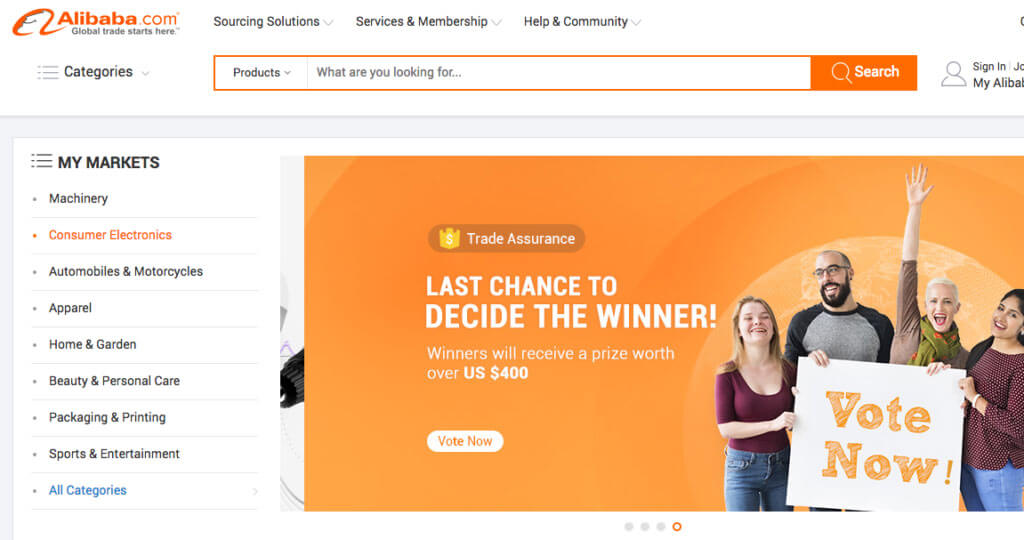
The world’s largest online directory of manufacturers and suppliers. It offers thousands of verified manufacturers and includes trade assurance ratings.
Globalsources.com

A major competitor to Alibaba, known for its extensive ratings and reviews. It’s a useful alternative if you can’t find what you’re looking for on Alibaba.
HKTDC.com

HKTDC stands for Hong Kong Trade Development Council, and they aim to help Honk Kong-based suppliers. They also organize trade shows in Wan Chai exhibition center in Hong Kong. You’re going to find a high proportion of Hong Kong companies here.
You should note that some of them are trading companies, but we will discuss this in more detail below.
Made-in-China.com
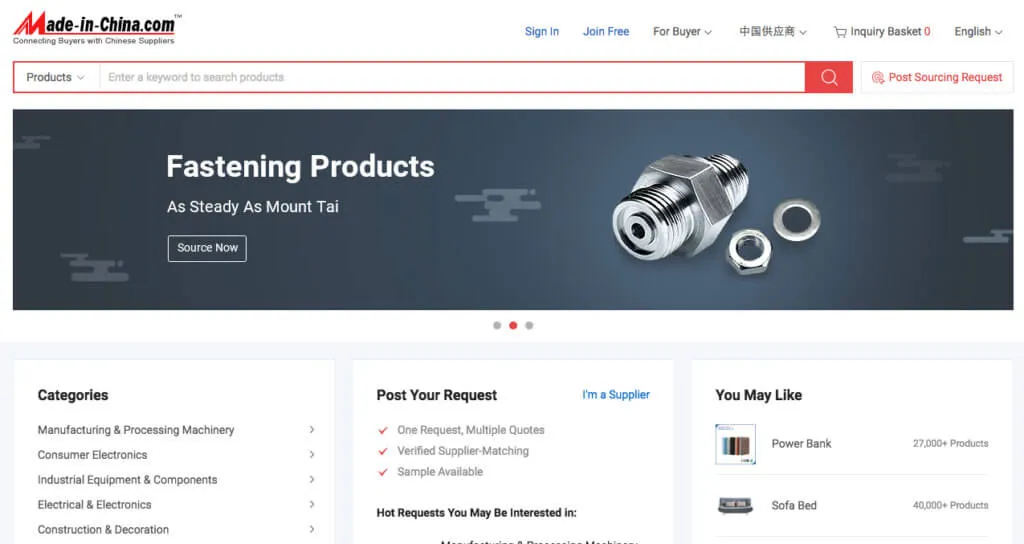
Primarily deals with larger items and provides quality inspection and reporting facilities. It’s recommended for industrial products and parts.
The Trick to Using Online Directories
Use these directories to identify manufacturer clusters rather than individual factories. For example, electronics are often produced in Fujian province, while plastic molding is common in Zhejiang province. Visit these clusters in person to find the best manufacturers and use the directories for price checks.
Physically Searching
Advantages:
- Direct Inspection: Visiting factories allows you to see facilities and samples firsthand, reducing risk.
- Guanxiwang: You can build relationships and network effectively.
- Discover Hidden Gems: Some top factories may not be listed online.
How to Make the Process Smoother:
- Plan Your Trip: Research and schedule visits to clusters and specific factories.
- Prepare Your Questions: Have a clear list of questions and requirements to assess potential manufacturers.
- Build Relationships: Invest time in building guanxiwang by engaging in social activities and meetings.
Final Tips
- Do Your Due Diligence: Thoroughly research and vet potential manufacturers.
- Be Patient: Finding the right partner can take time, so stay patient and persistent.
- Leverage Your Network: Utilize your contacts and any local experts to help navigate the process.
Here’s a structured guide to help you through the process, including making a list of potential manufacturers, preparing questions, and managing your research effectively.
1. Find Manufacturers
Preferred Manufacturer Sources
Based on the methods discussed, here are some recommended sources to find Chinese manufacturers:
- Alibaba: Search for manufacturers and suppliers of products similar to yours. Use detailed search terms and filter results based on ratings and reviews.
- Global Sources: A B2B sourcing platform that lists verified suppliers and manufacturers.
- Made-in-China: Another B2B marketplace similar to Alibaba with a range of manufacturers.
- Canton Fair: The largest trade fair in China. A great place to meet manufacturers face-to-face.
- East China Fair: Held in Shanghai, it features many manufacturers and suppliers.
- Industry-Specific Trade Shows: Look for trade shows in the U.S. like CES that have significant Chinese participation.
- Factory Tours: Companies like Easyimex, Chinese-manufacturer, and EasyTourChina offer organized tours to visit multiple factories.
Recommended Manufacturers:
- Example 1: [Manufacturer A] – Specializes in [Product Type]. Located in [City].
- Example 2: [Manufacturer B] – Known for [Product Type]. Located in [City].
- Example 3: [Manufacturer C] – Provides [Product Type]. Located in [City].
(Include actual names, locations, and specialties based on your product needs.)
Plan your questions
2. Plan Your Questions
Essential Questions to Ask Manufacturers
- What’s the Minimum Order Quantity (MOQ)?
- What are the Prices Per Sample?
- What are the Production Costs?
- How Long will Your Product Take to Manufacture?
- What is Their Manufacturing Expertise?
- Have They Made Similar Products?
- What are Their Payment Terms?
- Under What Circumstances Will My Prices Change?
- What is the FOB Point?
- Can They Provide Liability Insurance?
- What’s Their Usual Customer Profile?
- How Big is Their Factory?
- What Quality Assurance Steps Do They Take?
- Where Do They Source Their Material From?
3. Set Up Meetings
- Contact Manufacturers: Reach out via email or phone to set up meetings. Be clear about your requirements and schedule.
- Use a Translator: If needed, hire a local translator who is familiar with the industry and region.
4. Examine the Facilities
- Facility Tour: During your visit, inspect the facilities and ask to see samples. Evaluate the cleanliness, organization, and equipment.
- Send a Representative: If you cannot visit personally, send a trusted representative.
5. Attend Trade Shows
- Prepare in Advance: Research exhibitors and make a list of those you want to visit. Reach out before the event to arrange meetings.
- Network: Utilize opportunities to connect with other buyers and suppliers for referrals.
6. Use Social Media and Trade Magazines
- LinkedIn Groups: Join groups focused on sourcing and manufacturing in China.
- Trade Magazines: Subscribe to industry-specific magazines for manufacturer leads and trends.

7. Perform a Deep Dive on Search Engines
- Search Terms: Use a variety of terms such as “manufacturer,” “supplier,” “wholesaler,” and “distributor.”
- Baidu: If possible, use Baidu to search for manufacturers who may not appear on Google.
8. Referrals and Sourcing Agents
- Referrals: Leverage industry connections for manufacturer recommendations.
- Sourcing Agents: Consider hiring a commission-based sourcing agent to help identify and verify suppliers.
9. Build Your Master List

Example Spreadsheet Headings
- Manufacturer’s Name
- Website
- Contact Details
- Date of Contact
- Contact Person
- Notes

Tip: Keep your list updated and organized to avoid confusion.
10. Choosing the Right Manufacturer
Create an RFQ (Request for Quote)
Include:
- Technical Specifications
- Applicable Standards & Regulations
- Manufacturer Information & Order Terms
RFQ Content:
- OEM Products: Design drawings, CAD files, material specs.
- ODM Products: Guideline specifications, reference products.
11. Negotiating MOQ and Due Diligence
MOQ Negotiations
- Streamline Materials: Use common components to lower MOQ.
- Limit Customization: Reduce the need for custom parts.
- Offer Higher Price: Incentivize the manufacturer to accept a lower MOQ.
- Negotiate Terms: Understand the reasons behind MOQ and propose solutions.
Due Diligence
- References: Ask for and check references from current clients.
- Factory Verification: Confirm details and verify the manufacturer’s claims.
Final Steps
- Visit Factories: If possible, visit your top 1-2 choices to verify their capabilities.
- Review All Information: Compare your findings and select the manufacturer that best meets your needs.
Key Steps for Vetting Chinese Manufacturers

1. Reference Checks
- Questions to Ask:
- Was the product made to the required specifications?
- What percentage of their shipments were defective?
- Were there any shipment problems? How did they handle it?
- Were deadlines met? If not, what were the remedies?
- Did they fulfill all promises?
- How is the quality of their goods?
- How long have you worked with them?
- How many orders have you placed?
- Was the contact person easy to work with and responsive?
- What type of projects do they excel in?
- Who was responsible for landing the goods in your country?
2. Online Search and Ratings
- Check Major B2B Platforms: Look at ratings and feedback.
- Search for Manufacturer by Name: Be vigilant for any scam warnings or negative reviews.
3. Certifications and Documents
- Request and Verify the Following:
- Chinese Business License: Contains essential company details. Verify authenticity using services like China Checkup.
- Bank Account Certificate: Ensures payments go to the correct business account.
- Tax License: Confirms business registration and operational scope.
- ISO 9001 Certificate: Validates quality management systems.
- ISO 14001 Certificate: Indicates environmental management practices (optional but beneficial).
- Product Test Reports: Confirm products meet required standards and certifications.

4. Manufacturer Product Brochure
- Verify Authenticity: Ensure brochures accurately represent their capabilities and not just third-party products.
5. Asking for Samples
- Request Samples: Ensure they match your quality and design specifications.
- Ask About Logistics: Inquire about factory location, shipping process, partnerships with logistic companies, and customs assistance.
6. Final Decision Factors
- Specialty: Choose a manufacturer with expertise in your product type.
- Export Experience: Prefer manufacturers with experience exporting to Western countries.
- Philosophies: Consider alignment with your own business philosophies.
- Don’t Rush: Take time to evaluate all aspects and don’t just focus on price.
Intellectual Property Protection
1. Non-Disclosure Agreement (NDA)
- Best Practice: Get an NDA signed before sharing your design. Include provisions for attorney’s fees and injunctive relief.
- Language: Use both English and Chinese versions.
2. Non-Use/Competition, Non-Disclosure, Non-Circumvention Agreement (NNN)
- Non-Use/Competition: Ensures the manufacturer cannot use your design for competing products.
- Non-Disclosure: Prevents sharing of your information within their network. Clarify terms regarding group disclosure.
- Non-Circumvention: Protects against the manufacturer bypassing you to sell your product directly.
Final Tips
- Conduct Factory Visits: If possible, visit the manufacturer to verify their operations and facilities.
- Engage Third-Party Auditors: Consider hiring third-party auditors to verify certifications and compliance.
- Stay Informed: Continuously monitor the market and manufacturer’s performance to ensure ongoing reliability.
Drafting an NNN Agreement That Works in China
You might be thinking, “This is all great info. But how do I ensure it’s enforceable in China?” Here’s the lowdown:
Drafting an NNN (Non-Disclosure, Non-Use, and Non-Circumvention) agreement that holds up in China means using Chinese law as the governing law, having Chinese as the governing language, and ensuring exclusive jurisdiction is assigned to a Chinese court with authority over your manufacturer.
A China-focused approach is crucial because, in the event of infringement or circumvention, you’ll need to act quickly against your manufacturer. Any other approach risks making the agreement unenforceable or causing delays that render it ineffective.
Here are some key points to consider:
- U.S. Jurisdiction Provisions: If your agreement stipulates U.S. jurisdiction, it will be unenforceable in China, making it ineffective.
- American Arbitration Awards: While technically enforceable, Chinese courts have a poor track record for upholding foreign arbitration awards. They generally prefer disputes with Chinese companies to be resolved within China.
- Arbitration in China: Arbitration panels in China face delays and uncertain enforcement. They lack the power to seize assets or compel your manufacturer to stop its infringement.
- Foreign Law and Language: Chinese law does permit contracts governed by foreign law, but proving every aspect of your foreign law can be cumbersome and lead to disputes. Similarly, while contracts can be in English, many Chinese courts prefer or require translations, which can cause delays due to disputes over translation accuracy.
- Court Jurisdiction: Legal action must be taken in the court with jurisdiction over your manufacturer, typically where they are registered or conduct business. Jurisdiction clauses favouring other courts will be disregarded.
Your NNN Agreement should be drafted to make your Chinese manufacturer wary of breaching the contract. Use the above guidelines to ensure enforceability and include specific monetary damages for each breach.
Benefits of Contract Damages Provisions:
- Real Consequences: It forces your Chinese manufacturer to understand that breaches will have tangible and quantifiable consequences.
- Prejudgment Seizure: A specific monetary amount gives a Chinese court grounds for prejudgment seizure of assets.
Ensure the contract damages are set at a level that reasonably substitutes for potential damages from a breach, as the Chinese legal system does not support punitive or extensive consequential damages.
When presenting a China-centred NNN agreement to a Chinese manufacturer, you may encounter one of the following responses:
- Refusal to Sign: This is a positive sign, indicating the manufacturer may intend to misuse your information. Avoid proceeding with such manufacturers.
- Serious Negotiation: If the manufacturer engages in serious discussions about excluding certain elements, it’s a good sign, often leading to productive talks on technical matters.
- Acceptance and Seriousness: Most manufacturers will accept and take the NNN agreement seriously. While this doesn’t guarantee they won’t engage in bad practices, the threat of litigation and asset seizure is often enough to prevent breaches.
It’s important to note that this information is based on extensive research, but we’re not lawyers.
For more detailed assistance or to create an enforceable NNN agreement, check out ChinaLawBlog, which offers extensive experience and expertise in crafting China-focused NNN agreements.
Register Your China Trademark
A common pitfall when manufacturing in China is assuming your patents and trademarks are valid there. They’re not. Patents and trademarks are territorial and only protect your intellectual property in the countries where they’re registered.
I highly recommend registering your trademark in China as soon as possible.
Failure to do so could lead to serious issues:
- Trademark Registration Conflicts: You may be prevented from selling or manufacturing products under your trademark in China if someone else registers it first.
- Export Barriers: Your Chinese manufacturer or trading partner could be restricted from exporting products under your trademark.
- Legal Challenges: If someone registers your trademark before you, you might have to buy it from them or face lengthy and costly legal battles.
- Brand Misuse: Without registration, it’s difficult to stop other companies from using your brand.
China’s First-to-File Rule
Unlike many countries where prior use might grant you some rights over a trademark, China follows a “first-to-file” rule. This means the first person to file for a trademark becomes its owner if their application is successful, regardless of prior use.
Chinese Characters for Your Trademark
To protect your brand in China, you’ll need to secure trademarks in multiple forms: in English, Chinese characters (translated), and transliterated form.
Translation vs. Transliteration
If you don’t use a Chinese version of your brand, your distributors, manufacturers, and even customers might start using a Chinese name. This could lead to someone else registering that name and blocking you from marketing in China.
Consider developing a Chinese name or transliteration for your brand early on. It’s wise to consult with a branding expert or lawyer to understand the various meanings of Chinese characters.
Transliteration involves converting your brand name into a Chinese version and then creating an English version from it. For example, Penfolds has been transliterated to Ben Fu.
Conducting Research
Researching and choosing an appropriate brand name is crucial for marketing and legal protection. You must ensure you’re not infringing on existing trademarks.
How to Check for Similar Trademarks in China
The Chinese Trademark Office offers a free search for existing trademark applications and registrations. However, this site requires Chinese Simplified characters and proficiency in Chinese to use effectively.
You might need assistance with this, so it’s a good idea to seek professional advice.
What You Cannot Include in Your Chinese Trademark
- Names or symbols of countries or international organisations.
- Words or symbols that discriminate against any race.
- Words that could mislead the public about the quality or origin of your goods.
- Foreign geographical names that are well-known to the public.
- Generic or descriptive terms for your (or any) goods.
A significant issue you might encounter is that trademarks cannot contravene socialist morals, customs, or have other negative influences. This can be broader or differ from Western standards, so consulting with Chinese trademark experts or lawyers is highly recommended.
Filing Your Trademark Directly with China
Filing your application directly with the Chinese Trademark Office (CTMO) is known as direct filing. Note that this method sets your application date as your priority date.
An earlier filing date is crucial due to China’s first-to-file rule. I recommend using an IP professional with expertise in Chinese trademark law or a reliable agent in China who specialises in intellectual property.
Advantages of Direct Filing
- Subclass Selection: You can nominate your own subclasses. Properly classifying your goods and services in a Chinese trademark application is essential, so specialist advice should be sought early.
- Amendment Opportunity: If the names of your goods or services are not listed in the International Classification or the List of Acceptable Names of Goods and Services, you get one chance to amend before your application is rejected. If your amendments are deemed unacceptable, your application will be rejected, and you will need to re-file, losing your original priority date.
What You’ll Need
To register your trademark in China, you’ll need the following:
- Your Name and Address: Include both your English and Chinese versions.
- Trademark Sample: Provide a high-quality representation of your trademark and explain its meaning, if applicable.
- Classes and Description: Specify the classes and describe the goods or services on which your trademark will be used. It’s best to use names from the International Classification and the List of Acceptable Names of Goods and Services.
- Power of Attorney: This must be signed by the applicant. No notarisation or legalisation is required.
- For Companies: A Certificate of Incorporation is necessary.
- For Individuals: A copy of your passport or photo ID card.
- Letter of Consent: Needed if your trademark includes a picture or portrait of an individual who holds rights to the image.
- Certified Copy of First Foreign Application: If claiming foreign priority, provide a certified copy of the initial foreign application.
The Examination Process
The Chinese Trademark Office (CTMO) will first verify that all required information and documents have been provided. They will then conduct a detailed examination to check for any conflicting applications or registrations and assess whether your trademark meets the necessary requirements.
This examination process can take up to 9 months, concluding with either a rejection or preliminary approval of your application. If approved, your application will move to the next stage: the opposition period.
The Opposition Period
After receiving preliminary approval, there is a 3-month period during which other parties can challenge your trademark.
- If an Objection is Filed: If the CTMO accepts the objection and denies your trademark, the decision is final.
- If You Wish to Appeal: If the CTMO accepts an objection but you believe it’s unfounded, you can request a review from the Trademark Review and Adjudication Board (TRAB). This review process typically takes 6-12 months.
If no opposition occurs and your application progresses smoothly, you can expect the entire process to take 12-15 months from filing to receiving your Certificate of Registration. Once granted, the trademark is valid for 10 years and can be renewed thereafter.
Reasons Your Trademark Can Be Cancelled
Your trademark may be cancelled for the following reasons:
- Fraudulent Acquisition: If it was obtained through fraudulent means.
- Non-Use: If it hasn’t been used for three consecutive years from the registration date.
- Generic Use: If it becomes a generic name for the goods or services in its class.
- Unauthorised Changes: If changes are made to the trademark or the address of the trademark holder without CTMO approval.
How to Protect Your Molds and Customised Tooling
If your Chinese manufacturer creates or buys tooling customised for your product, there’s a risk they might use it to supply or compete against you. Here are some strategies to mitigate this risk:
- Mark Your Molds
- Identification: Etch or engrave your molds with identifying marks in Chinese. This should be done in visible and hidden areas to deter theft and unauthorised use.
- Secure Molds Between Production Runs
- Inspection and Sealing: During the final inspection, your inspector can wrap the molds with proprietary adhesive tape and apply a seal or proprietary sticker. Instruct your manufacturer to only unwrap the package for the next production batch and require them to send a photo of the package with the day’s newspaper for date verification.
- Transfer Molds to a Separate Location
- Third-Party Storage: Consider having a reliable third party in China store your molds between production runs. Ensure the sales agreement clearly outlines:
- Ownership Terms
- Maintenance Costs & Terms
- Production Capacity of the Mold
- Compensation Terms for any damage before the mold has produced a specified number of units.
Other Ways to Reduce Your Risk
- Use Codes
- Encrypt Information: Encrypt key information on technical files. For example, use codes on drawings to indicate modifications, like adding a percentage to measurements.
- Break Up the Manufacturing Process
- Segment Production: Divide the manufacturing process so that no single supplier can produce the entire product. This can be achieved by designing components that are interdependent. Note that this method is mainly suitable for products with embedded electronics and may not apply to garments or classic furniture.
Provide Your Country’s Customs with Information
One way to safeguard against counterfeit products is to provide your country’s customs authorities with information about your intellectual property (IP). This helps prevent counterfeit goods from entering the market. Here’s how you can leverage this strategy:
- Register Your IP: Ensure your trademark, patent, or other IP rights are registered in your home country.
- Inform Customs Authorities: Provide them with details about your IP and any known importing channels for counterfeit products. This helps customs block suspected counterfeit shipments.
Pre-Production: Getting Your Product Samples
Before mass production, securing high-quality samples is crucial. Here’s how to manage this effectively:
- Draft Sample Order Terms: Clearly define the terms for sample orders to avoid costly delays and revisions.
Drafting Your Sample Order Terms
- Product Details:
- Design File: Provide comprehensive details about your product, including:
- Product Description: Explain what the product is, its materials, appearance, creation time, and acceptance criteria.
- Product Functionality: Describe how the product should operate and its limitations.
- 3D CAD Files: Essential for precise manufacturing. Include files in formats compatible with the manufacturer’s processes (e.g., STL for SLS, IGS for CNC machining). Popular software includes CATIA, Pro/ENGINEER, and SolidWorks.
- 2D Technical Drawings: These should include:
- Title Block Information: Include design owner, designer’s name, drawing checked by, part number, product name, release date, and revision level.
- Product Drawing: Show multiple views, projections, and sectional views.
- Dimensions and Tolerances: Specify dimensions with upper and lower limits.
- Critical to Quality (CTQ) Information: Highlight critical attributes such as surface finish, color, and specific tolerances.
- Bill of Materials (BOM): A detailed list of parts and assemblies.

Include:
- BOM Level, Part Number, Phase, Description, Quantity, Unit of Measure, Reference Designators, and BOM Notes.
- Color Codes: Provide Pantone or RAL codes for standardized color matching to ensure consistency.
- Design File: Provide comprehensive details about your product, including:
- Test Requirements:
- Pre-Build Testing: Verify specific functions before full assembly (e.g., light functionality).
- In-Process Testing: Check product functionality at critical assembly stages.
- End-of-Line Testing: Confirm the final product meets criteria.
- Product Safety Standards and Substance Restrictions:
- Apparel & Textile Products: Ensure compliance with material and component standards.
- Electronic Products: Verify RoHS and EMC compliance.
- Children’s Products: Adhere to safety standards and regulations.
Product Packaging & Labeling Requirements
- Artwork Files and Packaging Design File: Provide files in formats like .ai for packaging design.
- Bill of Materials for Packaging: Include details about the packaging materials and design.
Product Packaging Design
- Custom Designed Packaging: Requires detailed design based on the product’s dimensions and material requirements.
- Factory Designed Packaging: Utilize existing templates and tooling for cost and time efficiency.
Labeling Requirements
- U.S. Labels:
- Country of Origin: Label products as “Made in China” or “Made in PRC.”
- CA Prop 65: For California, ensure compliance with chemical restrictions or add a warning label.
- EU Labels:
- CE Mark: Indicates compliance with EU directives (e.g., Low Voltage, RoHS, EMC).
- WEEE Mark: For electronic waste management.
- UK Labels: Follow EU requirements unless regulations change post-Brexit.
- Australia & New Zealand Labels: Comply with local safety standards for various product categories.
How to Communicate Labeling Requirements to Your Manufacturer
- Provide Detailed Information: Use .eps and .ai files for label designs. Specify:
- Label Dimensions and Material
- Label Color and Print Type
- Exact Placement on Packaging
What if Your Products are Labeled Incorrectly?
Incorrect labeling can lead to:
- Customs Return: Products may be sent back to China.
- Fines and Legal Issues: Selling non-compliant products can result in heavy fines.
Ensure clear communication with your manufacturer to avoid these issues. Accurate and compliant labeling is crucial for smooth importation and market acceptance.
Final Design and Documentation
- Complete Design Files: Ensure all details, including materials, dimensions, and quality specifications, are included. Use annotations if necessary.
- Clear Communication: Confirm understanding with your manufacturer. Ask for confirmation and be persistent in clarifying any doubts.
Sample Order Terms

- Production Time & Revisions:
- Unlimited Revisions: Ensure manufacturers provide unlimited revisions without extra charges unless changes are made by you.
- Sample Time Frames: Define expected time frames for sample revisions. Outline conditions for refunds if revisions exceed limits.
- Mold and Tooling Ownership:
- Tooling Ownership: Specify that tooling remains your property and cannot be used by others without your consent.
- Transfer Terms: Include terms for tooling transfer, including time frames and costs.
- Subcontracting:
- No Subcontracting: Prohibit subcontracting of sample production. Include the right to inspect the manufacturing facility.
- Payment Terms:
- Deposit and Balance: Establish a deposit before production and balance after approval of samples. Consider using an NDA/NNN agreement to protect intellectual property.
Sales Agreement Contract
- Specifications: Clearly define all product specifications and attach samples or photos.
- Compensation Terms: Specify how defects and damages will be addressed. Include terms for holding final payment until quality inspection.
Quality Control Plan
- Inspection Rights: Reserve the right to inspect the factory and product at various stages.
- Quality Checks: Define inspection criteria, such as AQL levels, and requirements for lab testing.
- Failed Tests: Outline procedures and responsibilities for handling failed inspections and tests.
Shipping

- Ocean vs. Air Freight:
- Cost: Ocean freight is usually cheaper but slower. Air freight is faster but more expensive. Consider size and weight for cost-effectiveness.
- Speed and Reliability: Air freight is faster and more reliable, but ocean freight is better for the environment.
- Choosing Brokers & Forwarders:
- Specialization: Choose brokers and forwarders with experience in your type of product.
- Automation and Communication: Ensure they are fully automated and can communicate effectively.
- Agreements: Have clear written agreements and review them regularly.
Full Production

- Purchase Order (PO): Create a detailed PO including all specifications, terms of purchase, and references to quality control plans.
- Local Considerations: Be aware of local holidays and customs that could affect your order.
Final Steps
- Document Stamping: Ensure your PO is stamped and signed to formalize the agreement.
Additional Tips
- Legal Support: Consider consulting with a lawyer familiar with international manufacturing contracts to review agreements.
- Regular Updates: Maintain regular communication with your manufacturer and visit the production site if possible.
- Backup Plans: Have contingency plans for potential delays or issues.
Manufacturing your product in China can be both exhilarating and challenging. With careful planning and attention to detail, you can navigate this complex process successfully.
From finalizing your design files and setting clear sample order terms to managing molds, quality control, and logistics, every step is crucial to ensuring your product meets your expectations.
Effective communication with your manufacturer, diligent quality checks, and smart logistical choices will help you avoid pitfalls and achieve the best results. While the journey may seem daunting, the sense of accomplishment when your product is completed will make it all worthwhile.
Your dedication and thorough preparation will pave the way for a successful manufacturing experience and bring your vision to life.





The perfect pair! Custom Logo Cases TPU gel Apple iPhone Duo cases are in stock and ready for your custom creation ahead of the Apple iPhone Duo launch 🚀! Connect today for a complimentary proof and rendering. #AppleiphoneDuo #appleiphonecases #iphonecases #customiphonecases #CustomLogoCases ... See MoreSee Less
... See MoreSee Less
... See MoreSee Less