


Understanding Private Label Products: A Guide to Unlocking Business Potential
If you’ve ever wondered about the viability of private labeling as a business strategy, you’re in the right place. This post will explore the fundamental concepts of private labeling, its benefits and drawbacks, and how you can start creating your own private label products to boost or launch your business.
What Is Private Labeling?
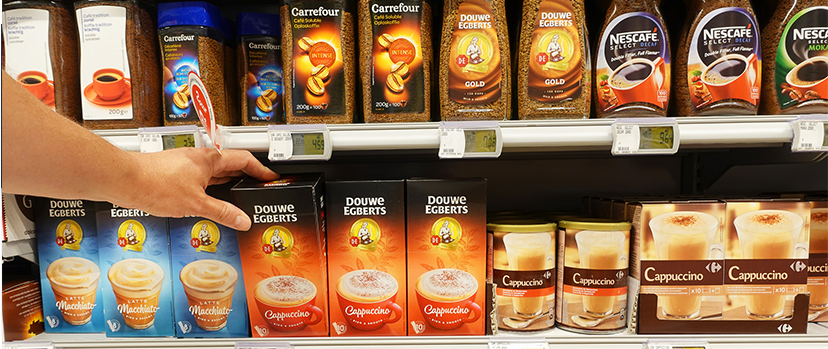
Private label brands (or store-owned brands) are products sold by a retailer under its own brand name, though they are manufactured by a third party. This allows retailers to customize the branding and packaging to align with their store’s image.
Many consumers may not realize it, but private labeling is a common practice in retail. It’s a strategy used by companies to influence product branding and positioning.
Private Label vs. White Label
It’s important to differentiate between private label and white label products:
- Private Label: Exclusive to a single retailer, private label products are made by a third-party manufacturer but branded with the retailer’s label.
- White Label: These are generic products sold by multiple retailers, each of whom rebrands the item under their own name. The quality remains the same across brands, but branding differs.
Popular Examples of Private Label Products
Here are a few well-known private label products:
Tesco Value
In 1993, Tesco introduced its low-cost “Tesco Value” range, which initially suffered due to poor quality and unattractive packaging. The rebranded “Everyday Value” range in 2012 aimed to improve quality and design, leading to better consumer reception.

AmazonBasics
Amazon’s private label, AmazonBasics, includes a wide array of everyday products, from home goods to office supplies and electronics. The brand is known for offering affordable yet reliable products.
Macy’s Inc.
Macy’s features several private labels like Alfani and Club Room, targeting specific niches within the apparel industry, from corporate attire to casual wear.

Benefits of Private Labeling
Increased Market Share
A Statista survey from September 2020 revealed that 40% of consumers prefer store brands over national brands, often willing to pay more for them.
Control Over Inventory and Production
Retailers can manage inventory levels, product quality, and production processes more effectively.
Pricing and Profit Margins
Store brands are typically priced lower than national brands, often around 30% less, which can positively impact profit margins.
Enhanced Branding and Exclusivity
Private label products allow retailers to create unique branding, which can differentiate their offerings and add perceived value.

Adaptability
Retailers can quickly adjust production volumes or tweak products in response to market changes.
Drawbacks of Private Labeling
Manufacturing Limitations
Partnering with reliable manufacturers is crucial to avoid issues with quality and production.
- Minimum Orders: Manufacturers often require large minimum orders, which can be challenging for startups.
Dead Inventory
Poor market research can lead to unsold products, impacting profitability.
Negative Connotations
Historically, private labels were seen as lower quality. However, improving product quality can help shift this perception.
Difficulty Building Brand Loyalty
Competing against established national brands can be challenging, but exclusivity can be a double-edged sword, limiting market access.

Steps to Create Your Own Private Label
- Conduct Market Research: Understand your target market and consumer needs. Tailor your products to meet these expectations.
- Select a Reputable Manufacturer: Choose a reliable third-party manufacturer with a strong reputation for quality and service.
- Develop a Strong Brand: Create a compelling brand identity, including logos, packaging, and overall presentation.
- Establish Your Business Entity: Register your business and consider trademarks or patents to protect your brand.
- Optimize Your Amazon Listings: If selling on Amazon, use high-quality images, clear titles, and relevant keywords to enhance visibility and appeal.
Will Private Labeling Boost Your Business?
Private labeling offers significant opportunities for growth if executed correctly. Success requires perseverance, patience, and a willingness to learn and adapt. By following the steps outlined, you can create a successful private label business that stands out in the market.

Bhushan spent the last 15+ years building businesses and learning what really matters to customers. At Custom Logo Cases, we help brands turn everyday tech accessories into high-quality, on-brand marketing tools.




The perfect pair! Custom Logo Cases TPU gel Apple iPhone Duo cases are in stock and ready for your custom creation ahead of the Apple iPhone Duo launch 🚀! Connect today for a complimentary proof and rendering. #AppleiphoneDuo #appleiphonecases #iphonecases #customiphonecases #CustomLogoCases ... See MoreSee Less
... See MoreSee Less
... See MoreSee Less