



Table of Contents
Introduction to EdTech
This guide aims to demystify EdTech by outlining what it is, who employs it, its various applications, and its benefits. As EdTech introduces innovative methods for learning, delivering education, acquiring skills, and interacting with others, its adoption is anticipated to expand, capturing a broader user base and becoming integral to virtually every educational institution and sector. Those who embrace EdTech early will be better positioned to leverage the opportunities it presents.
Anyone with a vested interest in education, employment, and technology should find this guide useful. This includes educators, parents, students, HR professionals, leaders of non-profit organisations, CEOs and CIOs, employees, and anyone seeking new skills or career advancement.
By exploring this comprehensive guide, readers will gain a deeper understanding of EdTech’s workings, its origins, current applications, and future developments. They will also learn who benefits from EdTech and what it takes to engage people with this movement. EdTech is not only a futuristic approach but also a continuously evolving tool for learning, promising ever-expanding opportunities as technology advances.
EdTech Explained

EdTech, short for “educational technology,” involves using tools to facilitate learning. These tools can range from various media formats used to deliver text, audio, visual recordings, images, animations, streaming videos, and computer-based learning, to live online instruction, extranet learning, satellite TV, and educational software. EdTech can be utilised both within and beyond traditional classrooms, at any time and place. Today’s EdTech predominantly relies on wireless internet connections and electronic devices such as smartphones, tablets, or computers.
EdTech enables individual learners or large groups to engage in the same coursework, and supports asynchronous learning, allowing students to learn at their own pace. It encompasses numerous aspects of education, including collaborative learning environments where peers support, tutor, and encourage one another, and linear learning, which progresses from basic to advanced knowledge. These methods can complement in-person teaching by instructors. Learning environments in EdTech can be solitary or involve multiple learners, either simultaneously or at different paces.
EdTech applies established teaching principles through technology. For instance, cognitivism uses technology to challenge students’ memory; constructivism enables educators to ensure that students’ information, work, and assignments are appropriately structured and include problem-based learning; and social constructivism involves using technology to explore real-world scenarios, enhancing problem-solving skills, teamwork, communication, and collaboration.
These tools work together to enhance the learning experience. For example, a student with advanced maths skills attending a rural high school, where a calculus class isn’t available, can participate through live audio and recordings. Interactive forums allow for real-time questions to the teacher, while learning management systems enable quiz-taking, assignment submission, and progress monitoring by both the external and home-school teachers.
EdTech is not a recent development. Throughout history, educators have sought ways to help students grasp concepts beyond mere words. From the earliest papyrus rolls and abacuses to electronic calculators and modern tablets, EdTech has been a constant companion, with only the term “EdTech” being new.
EdTech Through History

Historically, various tools and technologies have been used to enhance education. In ancient times, simple objects assisted in counting and mathematics. With the advent of papyrus in Egypt, information could be recorded and preserved, leading to the creation of libraries. The abacus was another early tool for performing complex calculations.
The discovery of chalk and erasable paints enabled teachers to instruct larger groups and allowed students to practice and assist each other. The electronic age introduced slides, projectors, and graphing calculators, which made mathematical processes visible in real-time.
These tools have contributed significantly to educational success. For instance, individuals with disabilities can use text-to-speech software to hear their typed words, while large touchscreens assist those with mobility issues. Adult learners with family or job commitments can further their education at their own pace, and those who left school to raise a family can use EdTech to pursue higher education.
EdTech Today

Modern EdTech embraces the latest technologies, incorporating gamification, big data, and personalised experiences. Technology is central to both m-learning (mobile learning) and e-learning (electronic learning). Distance e-learning programmes enable students to participate remotely, without being physically present with their peers or instructors.
Blended e-learning combines classroom learning with independent study, occasionally supplemented by tutoring and peer interactions. Massive Open Online Courses (MOOCs) have reignited interest in education, with prestigious universities like Harvard, MIT, and Stanford offering free, accessible courses. Almost any electronic device and media format can be utilised in EdTech.
Schools, colleges, universities, and businesses are employing smart boards, LCD projectors, and smart pens for group sessions, while iPads and smartwatches are used for individual study. Learning can continue at home, on holiday, or while travelling, provided there is an internet connection.
EdTech is applicable across all educational settings and for all users. Many communities and educational systems now provide free Wi-Fi to facilitate learning anytime. Libraries offer computer access for educational purposes, while schools and universities are equipping students with iPads preloaded with educational apps. Even preschools and senior centres are leveraging EdTech to keep minds active.
Reading this guide will provide a thorough understanding of EdTech and its role in your life and that of your children, family, colleagues, and community. You will gain insights into how educational experiences are evolving and how they differ from the schooling of the past.
By examining the entire guide, you will see how various facets of EdTech and its diverse users are expanding and benefiting from its implementation. You will also understand how the entire process integrates to cover the full spectrum of education and learning.
EdTech is For Everyone
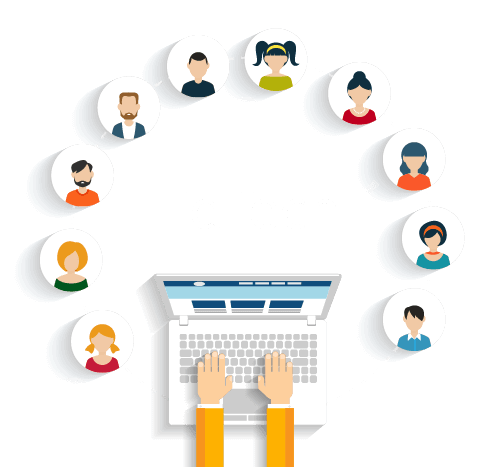
Education is a cornerstone of society. Educated individuals contribute to a more productive, engaged, and supportive community. Employees with literacy and proficiency in essential skills can offer employers enhanced productivity, innovation, and achievement.
Given its fundamental role in both the economy and society, education should be accessible to everyone, irrespective of financial status, background, or personal circumstances. Similarly, EdTech should be available to and utilised by anyone with a desire to enhance their learning experience.
The Use of Technology in Education

In today’s digital age, technology permeates almost every aspect of our lives. From streaming TV shows and movies on our tablets to tracking physical fitness with wearable devices and connecting via social media, it is only logical to harness these tools for educational purposes.
EdTech caters to various learning styles, fostering a more inclusive educational environment. Visual learners benefit from video demonstrations that complement verbal explanations from instructors. Audio learners can listen to podcasts and expert commentary on a wide range of subjects. Because technology operates around the clock, both employees and students can access educational content outside traditional hours, enabling learning whenever it fits their schedules.
Who Can Benefit from EdTech

The adaptability of EdTech means it can be advantageous to a broad range of individuals and organisations. Technology complements educators’ expertise, enhancing their teaching methods. Professional learning networks provide recent graduates and seasoned professionals with opportunities to connect with mentors and learn collaboratively. Educational blogs offer teachers and lecturers innovative ways to impart scientific and literacy foundations, while planning and organising lessons is streamlined through EdTech solutions.
EdTech’s flexibility allows both students and educators to learn at their own pace, mastering one tool before progressing to the next. This approach suits individuals with busy schedules and supports continuous learning and improvement.
The EdTech Difference
EdTech supports both learners and educators, contributing to success across various tasks. Businesses, non-profit organisations, and charitable groups can also stay ahead in their fields by incorporating EdTech components.
Essentially, EdTech acts as a personalised educational assistant, always available and ready to facilitate learning. As one tool is mastered, another can be introduced, creating a foundation for educational achievement. Thus, EdTech can significantly impact the success of both students and teachers.
EdTech is For Educators

Teaching today is a challenging profession. Whether managing a classroom of young children or overseeing graduate students, the role can be demanding and often underappreciated. Educators face numerous challenges, some of which have emerged only recently within the education system.
Bureaucratic delays and red tape can hinder the timely acquisition of funding, supplies, and equipment. Limited school budgets can restrict educators’ ability to fully support their students. Besides developing their curricula and constantly generating new teaching ideas, many teachers use their own funds to enhance their classrooms. Some even purchase school supplies out of their own pockets to ensure their students have what they need. Investing in technology can help alleviate these costs, creating a more engaging and productive learning environment.
The Importance of Technology in Society

Technology has become a fundamental part of modern society. While technology has long been utilised by educators, its presence is even more pronounced in today’s most dynamic classrooms. From the early days of chalk and blackboards to the latest smart boards and laptops, contemporary technology serves as an invaluable assistant to busy teachers.
Today’s technology enables both students and educators to transcend the limitations of physical distance and time. For instance, teachers can record video or audio lessons and upload them to the school’s website or the internet. This makes the lessons accessible to students regardless of their location or the time the lesson was delivered.
These uploaded resources are available at any time, offering flexibility and permanence. Students can revisit these materials whenever needed, ensuring continuity in their education, whether they are unwell or engaged in other commitments.
The ability to access such technology allows students to maintain their studies under various circumstances. From a personal illness requiring absence from the classroom to a stint with the National Reserve, students can continue their education uninterrupted.
Different online tools and devices empower educators to achieve their goals more effectively. Students who were confused or missed a lesson can review the material multiple times until they grasp the content. Many technologies also facilitate real-time interactions through video and audio streams.
Better Time Management

A major concern highlighted by a survey conducted by the Bill and Melinda Gates Foundation is time management. Teachers currently rely on outdated systems that require hours spent grading homework and entering scores into spreadsheets. Despite these efforts, this approach often fails to provide a comprehensive view of a student’s learning process and progress.
EdTech improves time management by enabling direct interactions with each student, providing educators with a clear overview of individual progress at any given time and throughout a semester. Teachers can spend less time grading tests, homework, and essays, as advanced EdTech tools can automate these tasks.
Performance Measurement
Digital systems offer clearer, more detailed reports on student activities. Grading diagnostics can track progress in individual subjects as well as across multiple areas, giving educators a better understanding of overall performance. Real-time progress measurement allows teachers to identify students who are falling behind and provide additional support or feedback to improve their performance. Conversely, teachers can also recognise high achievers and learn from their experiences and the tools that contributed to their success, whether in the physical or virtual classroom.
More Resources

Traditionally, teachers had limited networking opportunities, often confined to a few colleagues within their own school or nearby institutions. Today, EdTech facilitates easy sharing of ideas and curricula between teachers globally.
Distance is no longer a barrier; lesson plans and teaching resources can be shared almost instantaneously, whether teachers are across the hall or on the other side of the world. Teachers gain access to a broader range of lesson plans and resources, allowing them to delve deeper into subjects that spark students’ interest.
By posting their lesson plans and recordings of their teaching techniques, educators can receive feedback from peers. This collaborative approach helps teachers refine their style and communication skills, enhancing student success. EdTech supports educators’ professional development by enabling collaboration, personalised coaching, and constructive feedback.
Enhanced Collaboration with Students and the Community

Today’s online tools facilitate greater collaboration between teachers, students, and the community. Hands-on experiences and real-world learning are increasingly important in education. For instance, instead of finding a local expert to lecture on physical activity, teachers can organise digital collaborations with specialists from around the world. This allows students to view real-time electrocardiograms, blood flow images, and athletic performance data.
Teachers can also work with environmental experts to offer virtual tours of wildlife areas or provide a bird’s-eye view of nature. Such experiences, often difficult to fund or organise through traditional means, become feasible with EdTech tools, delivering significant educational value with minimal cost.
Diagnosing the Learning Needs of Each Student

One of the greatest advantages of EdTech is its ability to diagnose each student’s learning needs. Instead of crafting a one-size-fits-all lesson plan, teachers can tailor lessons to incorporate various learning styles within the same framework.
EdTech’s analytical tools provide objective data on each student’s preferred learning style, allowing teachers to make informed adjustments rather than relying on assumptions.
Keeping the Lessons Interesting

Regardless of age, students can quickly become bored with repetitive instructional methods. EdTech addresses this issue by allowing teachers to vary their teaching strategies. For example, in a chemistry class, students can witness the reaction between potassium and water through digital simulations, avoiding any risk. Visual displays of electron movement and accompanying audio explanations can enhance understanding of chemical reactions.
This dynamic approach not only keeps students engaged but also helps educators captivate interest in concepts that were previously challenging to convey with traditional methods such as diagrams and textbooks.
Fostering Interactive Learning Experiences

Interactive learning transforms education from a passive experience into an engaging and participatory process. Rather than merely sitting and listening to a lecture, students actively engage with the material, making abstract concepts more tangible.
For instance, EdTech enables music students to see the physical effects of playing a piano key or strumming a guitar string, such as the production and dispersion of sound waves. Similarly, a physics student might gain insights into how feedback varies with different humidity or air pressure levels, or learn about the mathematical and physical properties of melodies.
By integrating subjects that might seem unrelated, EdTech enhances students’ understanding and fosters a deeper interest in both areas. This cross-disciplinary approach helps educators craft lessons that connect various fields, making learning more cohesive and relevant.
Meeting Student Needs

EdTech offers a dynamic learning environment that adapts to students’ needs, enabling educators to deliver content anytime and anywhere. This flexibility is particularly beneficial in higher education, where students often juggle academic responsibilities with part-time or full-time jobs. Furthermore, exposure to EdTech prepares students for the digital tools they will encounter in their future careers.
With the right tools, educators can identify and address gaps in students’ understanding in real time. Instead of waiting until the end of a term, teachers can adjust their methods immediately, whether by incorporating visual aids or audio tools. This adaptability allows teachers to customise the pace and content of their lessons, ensuring that all students receive the support they need. This approach represents a significant improvement over the traditional one-size-fits-all model of education.
Aligning Student Needs

Navigating diverse curricula, testing standards, and educational goals can be challenging. EdTech provides educators with the means to align objectives and ensure that students are prepared for advanced lessons. This alignment is crucial in areas like language arts and mathematics, where significant gaps often arise between grade levels.
EdTech facilitates collaboration among educators, helping them align their instructional goals with educational standards. This is particularly beneficial for students transitioning between schools, as it ensures continuity and prevents disruptions to their learning.
By using EdTech, teachers gain valuable time, information, and tools to enhance their effectiveness. While numerous products are available, not all have been thoroughly tested by educators. Feedback from teachers is essential for developing and refining digital tools.
Embracing technology not only improves teaching but also aligns educators with students’ high levels of digital literacy, enhancing communication and understanding.
EdTech for Students

Education is a cornerstone of personal and societal development. Investing in education enriches individuals and benefits the broader community. A well-educated person contributes significantly to society, from being an informed consumer to participating in civic activities and maintaining personal well-being.
In today’s competitive environment, students face a multitude of responsibilities, from excelling academically to engaging in extracurricular activities. EdTech helps students manage their workload efficiently while allowing them to pursue their interests outside the classroom.
Digital Literacy

Digital literacy is crucial for students of all ages. While young students are often familiar with technology from an early age, older or returning students may require additional support. EdTech partners with students to enhance their academic experience and prepare them for future careers.
For younger students, technology in the classroom can seamlessly extend their familiar digital activities. For those less familiar with technology, EdTech provides essential training to boost digital literacy, preparing them for a tech-driven world.
Active Collaboration
EdTech fosters active collaboration, enabling students to engage in their education rather than passively receiving information. Digital tools facilitate peer-to-peer tutoring and collaborative projects, even across great distances. This interactive approach enhances mental engagement and offers opportunities for students to participate in cutting-edge research and academic activities.
Students can witness live demonstrations from experts, such as cardiothoracic surgeries or virtual tours of historical sites, enriching their learning experiences. EdTech transforms students into active participants in their education, making learning more engaging and relevant.
Versatility of EdTech
EdTech’s adaptability allows it to cater to various learning styles, whether visual, auditory, or hands-on. By leveraging students’ strengths, EdTech enhances learning speed and accuracy. It supports both formal and informal learning environments, from live lectures by renowned professors to collaborative projects between students from different schools.
This versatility challenges students to demonstrate their knowledge in diverse ways, preparing them for real-world applications. Whether through video presentations or oral demonstrations, EdTech provides a comprehensive learning experience that reflects the demands of professional life.
Keeping Up with Studies

Managing Academic and Extracurricular Demands
Today’s students face a rigorous academic environment while juggling extracurricular activities or jobs. Technology can aid in managing this load by providing organizational tools to keep track of assignments and deadlines. For students engaged in distance learning, EdTech becomes indispensable for staying organized and on top of their studies.
E-Learning and Immediate Feedback
E-learning platforms offer immediate, customized feedback on assignments and tests. This real-time interaction allows students to get help quickly without waiting for in-person office hours. Bill Gates aptly said, “Online, all students sit in the front row,” emphasizing how EdTech ensures every student has access to necessary resources and feedback.
Boosting Self-Esteem and Motivation

EdTech has a profound impact on students’ self-esteem and motivation. The immediate feedback and sense of accomplishment from using technology contribute to increased confidence. Students engage with effective tools that support their academic success, making the learning process more interactive and rewarding.
Increased Access to Technology

The accessibility of technology has surged, with students bringing multiple internet-connected devices to campus. Tablets, smartphones, and laptops are now commonplace. Free Wi-Fi in educational institutions further democratizes access, making technology more affordable and widespread, even for less wealthy districts and schools.
Changing Roles in the Learning Process

EdTech shifts the traditional roles in education. Teachers transition from central figures to facilitators, guiding students as they interact with information and technology. Students become active learners, managing their own learning processes and making decisions about their educational journey. This fosters skills like goal-setting, process design, and self-evaluation.
Seeing the Trees and the Forest

Technology enables students to focus on details while also understanding broader concepts. EdTech allows for the creation of polished, professional-looking projects, which enhances students’ motivation and technical skills. Mastery of these basics prepares students for future technological advancements.
Development of Technical Skills

EdTech equips students with essential technological skills early on, preparing them for various professional environments. Familiarity with basic technology forms a solid foundation for future innovations, boosting self-confidence and adaptability.
Development of High-Tier Skills

EdTech fosters high-tier skills such as critical thinking, logical reasoning, and collaboration. By engaging with complex tasks and assignments through technology, students develop abilities that will serve them well throughout their lives and careers.
Investing in Future Generations
The benefits of EdTech extend beyond immediate educational needs. It represents an investment in students’ future careers and the broader well-being of society. By nurturing both professional and personal skills, EdTech contributes significantly to the growth and success of individuals and the world.
EdTech for Educational Facilities

In today’s rapidly evolving world, educational institutions are tasked with the crucial role of fostering effective learning environments. Schools, from kindergartens to universities, must not only adapt to the changing needs of students and teachers but also anticipate future educational trends to remain relevant and effective.
Embracing Technology

While some schools resist the integration of technology, fearing distractions and misuse, others have embraced it, leveraging it to enhance educational quality and reach a broader audience. Institutions like MIT, Harvard, and Stanford have opened their digital doors through platforms like Coursera and Udemy, offering courses to millions globally. This inclusive approach has expanded their reach and enhanced their reputation, proving that technology can be a powerful tool in education.
Easy Curriculum Design

EdTech simplifies the process of designing and updating curricula. Digital tools streamline course creation, approval, and communication, reducing the time and effort traditionally involved. This efficiency benefits both educators and students by providing timely and accessible information about courses, deadlines, and requirements.
Learning from Anywhere and at Any Time

Modern education is increasingly flexible. With the advent of MOOCs and cloud-based resources, students can learn at their own pace from anywhere. This flexibility allows institutions to offer digital credits, reducing costs and expanding access. Adaptive learning environments, where students engage with lectures at home and participate in collaborative activities in class, exemplify this shift.
Creation of Multidisciplinary Educational Teams

Today’s educational landscape features dynamic, multidisciplinary teams. Librarians, teaching assistants, and tutors collaborate using EdTech to enhance the learning experience. This teamwork, facilitated by digital tools, supports real-time feedback and peer-to-peer learning, enriching the educational process.
Real-Time Feedback

Feedback is crucial for growth and improvement. EdTech enables real-time feedback, allowing students to receive immediate responses on their work and assessments. This instant communication helps both students and educators adjust and improve continuously.
Investment in the Future
EdTech represents a valuable investment for educational institutions. By embracing digital technologies, schools enhance their educational offerings, streamline operations, and expand their reach. This investment not only benefits current students and staff but also strengthens the institution’s standing and future prospects.
In conclusion, EdTech is transforming the educational landscape, offering new opportunities for learning, collaboration, and growth. Schools that embrace these changes position themselves as leaders in providing high-quality, accessible education.
EdTech for Adult Learners

Life-Long Learning:
Life-long learning is increasingly crucial for adults who want to advance in their careers, change fields, or simply expand their knowledge. EdTech provides a flexible and accessible solution for these learners, helping them keep pace with rapid technological advancements and societal changes.
Practical Reasons:

Innovation and technology have redefined learning spaces, extending beyond traditional classrooms. Adults now engage in learning through hobbies, volunteer work, and second careers, facilitated by EdTech. This adaptability is key to meeting their educational needs.
Economic and Societal Contributions:

Adult learners contribute significantly to the economy and society. Whether they’re improving their job performance, transitioning to new fields, or becoming more specialized in their volunteer roles, their enhanced skills lead to increased economic activity and societal contributions.
Emerging Technologies:

Technologies like just-in-time learning and assistive tech cater to the diverse needs of adult learners. Just-in-time learning offers on-demand access to educational content, while assistive tech supports those with disabilities, ensuring inclusive learning environments.
Adult Learners’ Needs:

Adult learners often face unique challenges, such as balancing education with jobs and family responsibilities, and overcoming the technology gap. EdTech addresses these needs by offering flexible, on-demand learning opportunities, allowing them to engage with education on their terms.
Flexibility and Accessibility:
EdTech provides solutions such as accelerated courses, digital credits, and online content that can be accessed anytime and anywhere. This flexibility is crucial for adults who need to integrate learning into their busy lives.
Future Trends:
The trend of integrating technology into education is growing, and it’s expected to continue evolving. EdTech remains a vital tool for adult learners, providing them with the resources and flexibility needed to achieve their educational goals.
EdTech is undeniably a powerful ally for adult learners, helping them adapt to modern educational demands while balancing their multifaceted lives.
EdTech for Special Needs/Challenged Students

Special needs students face unique challenges that traditional educational methods might not address effectively. However, the advent of educational technology (EdTech) has significantly transformed how these students engage with learning, making education more accessible and inclusive.
EdTech Features for Special Needs Students

Modern tablets, smartphones, and laptops are equipped with a range of assistive technologies that cater to diverse needs. These include:
- Speech Recognition Software: Allows students to control their devices or dictate text using their voice.
- Screen Reading Tools: Provide auditory feedback for text displayed on screens, helping visually impaired students.
- Braille Displays: Convert text into Braille, enabling visually impaired students to read digital content.
- Text-to-Speech Applications: Read out written text, aiding students with reading and cognitive disabilities.
- Sound Amplifiers and Closed Captioning: Assist students who are hearing impaired by making spoken content more accessible.
These technologies ensure that students with disabilities can fully participate in the educational experience, much like Stephen Hawking used technology to contribute to scientific knowledge despite his physical challenges.
EdTech for Flexible Classroom Environments

Assistive technology can be integrated into both physical and virtual classrooms to support various disabilities:
- Interactive Whiteboards: Engage students with language disabilities or those who are deaf or hard of hearing through visual and interactive content.
- Large Font Keyboards: Help students with poor fine motor control by providing a more accessible typing method.
- Digital Art Tools: Allow students with limited mobility to express themselves creatively in subjects requiring fine motor skills.
- Distance Learning Programs: Enable students who cannot attend physical classrooms to receive instruction via video, audio, and instant messaging technologies.
Creating Inclusive Learning Environments

EdTech fosters inclusivity by allowing special needs students to participate more fully in regular classroom activities. For example:
- Speech Generation Software: Helps a deaf and mute student give presentations or participate in discussions by converting typed text into spoken words.
- Resource Rooms: Serve as a base where students can access specialized instruction and learn how to use assistive technologies effectively.
This approach minimizes the time special needs students spend outside of regular classrooms, promoting greater integration and interaction with their peers.
Facilitating the Student-Teacher Relationship
EdTech tools help teachers track and assess students’ understanding in real-time, providing valuable insights into their progress. This allows for more tailored instruction and ensures that special needs students receive the support they need to succeed. Teachers can also manage multiple students simultaneously, creating a more equitable learning environment.
Strengthening Peer-to-Peer Bonds

EdTech can bridge communication gaps between students with disabilities and their peers:
- Wireless Assistive Devices: Enable students to use their learning tools throughout the school, facilitating interactions in various settings such as the cafeteria or during group projects.
- Leadership Opportunities: Technology empowers students with disabilities to participate in extracurricular activities, run for student government, or join clubs, enhancing their social integration and leadership skills.
Positive Reinforcement through Success

Every successful use of EdTech tools boosts students’ confidence and encourages further learning. Educators observe that:
- Increased Self-Esteem: Students gain confidence and are more willing to self-advocate.
- Collaborative Partnerships: Technology fosters collaboration with teachers and peers, enhancing the overall learning experience.
EdTech’s role in special education is transformative. It provides special needs students with the tools to achieve independence, gain confidence, and develop essential skills for their future. While challenges in implementation exist, the benefits of EdTech far outweigh any potential drawbacks, making it a crucial component of modern education.
As technology evolves, special needs students will continue to benefit from new innovations, maintaining their ability to adapt and thrive in an increasingly digital world. EdTech not only supports their educational journey but also prepares them for lifelong learning and success.
EdTech and Business

In today’s highly competitive and fast-paced economy, businesses and employees alike face enormous pressure to stay ahead. Companies understand that investing in their workforce is crucial for maintaining a competitive edge, and employees recognize the need to continually update their skills to advance their careers. EdTech is a key player in this dynamic, offering valuable tools and opportunities for both employers and employees to thrive in a demanding environment.
How EdTech Helps to Advance a Company’s Workforce

Professional Development for Skills Building

EdTech provides businesses with versatile tools for training new employees, advancing current staff, and preparing individuals for higher-level roles within the organization. Through online platforms, employees can engage in professional development programs that cover a wide range of skills and industries. These programs often offer transferable credits that can be applied towards further education at community colleges, four-year institutions, or universities.
Employee Utilization of EdTech

Employees can leverage EdTech to enhance their career prospects. By participating in relevant courses or learning new skills such as a foreign language, employees position themselves for raises, promotions, or new job opportunities. The ability to gain new qualifications or skills on-demand gives employees a competitive advantage in the job market and increases their value to their current or potential employers.
Convenience of EdTech for Employees
With the demands of modern work schedules, EdTech offers the flexibility that employees need to balance their education with their professional responsibilities. The online nature of many EdTech resources means that employees can learn at their own pace and on their own schedule, independent of their location or time constraints. This adaptability is particularly beneficial for those juggling work, family, and other commitments.
Trends for EdTech and Businesses

School as a Service (SaaS)
The concept of School as a Service (SaaS) is gaining traction, where businesses develop their own MOOCs (Massive Open Online Courses) and charge fees for participation or proctored exams. This trend not only creates new revenue streams but also offers a way for businesses to tailor educational content to their specific needs. Collaborations with universities to bridge academic learning with real-world applications are becoming more common, enhancing the relevance of education.
For-Profit Uses of EdTech

Businesses are increasingly turning to MOOCs to expedite product launches and marketing efforts. By using EdTech platforms, companies can release portions of new software or services in a just-in-time format, reducing the time and cost associated with traditional media campaigns. This approach allows for quicker market entry and more agile responses to industry demands.
A Closer Look: EdTech in Medicine

The medical field is one of the most prominent examples of how EdTech can drive progress. Medical professionals benefit from online courses and virtual simulations, allowing them to practice scenarios and skills in a risk-free environment. For instance, medical students can engage in triage simulations or infectious disease training without exposure to real-life risks. EdTech also addresses educational bottlenecks, such as the shortage of nursing instructors, by enabling collaboration between nursing schools and hospitals for expanded training opportunities.
Real-World Applications
EdTech in medicine extends beyond classroom settings. Drugstore clinics, for example, are using interactive portals to conduct remote consultations, reflecting the growing integration of EdTech into practical, everyday healthcare services. This trend not only enhances medical training but also makes healthcare services more accessible and affordable.
Conclusion
EdTech’s impact on business and professional development is profound. By offering flexible, accessible, and scalable educational solutions, EdTech empowers both employers and employees to navigate the complexities of the modern workplace. From enhancing skill sets and career opportunities to driving innovation in sectors like medicine, EdTech is a vital tool in today’s economic landscape. Its continued evolution promises even greater advancements in how businesses train their workforce and how individuals achieve their career goals.
EdTech and Parents

In today’s rapidly evolving educational landscape, parents are increasingly interested in understanding and participating in their child’s educational journey. As technology becomes more integrated into classrooms, it’s essential for parents to be informed and involved. While some parents may initially be skeptical about the use of technology in education, many are open to its benefits when they are well-informed and engaged. Schools play a critical role in bridging this gap, ensuring that parents understand and support the integration of EdTech.
How Technology Enhances Communication with Parents

Regular Updates and Information Sharing
EdTech tools enable schools to keep parents well-informed about their child’s academic progress and school activities. Communication channels such as emails, class websites, and digital newsletters provide parents with regular updates on their child’s performance and school events. Centralized school websites and social media accounts offer additional ways for parents to stay connected and informed about school news.
Technology Integration Details
Parents often seek clarity on the specific types of technology being used in their child’s education. Detailed information about the use of laptops, mobile devices, and digital lab equipment helps parents understand how these tools contribute to their child’s learning. This transparency allows parents to provide better tech support at home and ensures they are comfortable with the technology their child is using.
Maintaining Safety and Privacy with Children around Technology

Digital Citizenship Policies
Before students begin using technology in the classroom, schools should communicate their digital citizenship policies to parents. This includes outlining measures to ensure students’ safety and privacy, addressing issues such as cyberbullying, and detailing the school’s strategies for protecting students’ digital information. This communication should ideally occur before the school year begins to ensure a smooth start.
Privacy and Security Measures
Parents are concerned about their child’s privacy and the safety of their digital activities. Schools need to provide information on how they protect students from inappropriate content and ensure data security. Details about device location, information storage, and internet safety measures reassure parents that their child’s digital experiences are secure and monitored.
Tracking Educational Goals Related to Technology

Progress Tracking
EdTech provides tools for tracking students’ academic progress in various subjects. Parents can view their child’s work, monitor their progress, and understand how technology supports their learning. This visibility helps parents stay engaged in their child’s educational journey and supports their academic development.
Technology Proficiency Goals
Schools and parents can work together to set goals for how technology should be used in the classroom. For example, younger students might focus on learning to navigate a keyboard, while older students could use smart boards to create projects. Setting clear goals for technology use helps parents understand the educational objectives and the role of technology in achieving them.
Learning How Technology Enhances the Classroom Experience

Engagement with Teachers
Parents should engage with teachers and administrators to understand how technology is being used to enhance classroom experiences. Teachers can explain the benefits of specific devices or apps and how they facilitate learning. When parents try out educational apps themselves, they can provide valuable feedback and gain insight into their child’s classroom activities.
Integration of Student Interests
If a child has a strong interest in tech-related subjects like programming or robotics, teachers can integrate these interests into classroom activities. This personalized approach not only enhances learning but also aligns with the child’s passions, making education more engaging and relevant.
Supplementation of the School Experience

At-Home Learning Opportunities
Parents can complement their child’s school learning by using matching educational apps and resources at home. By exploring these tools themselves, parents can better understand their child’s technology use and reinforce learning outside the classroom.
Maintaining the Human Element
While technology plays a significant role in education, it should not replace the essential human elements of teaching. Parents should see technology as a tool that supports, rather than replaces, the guidance and interaction provided by teachers and school staff. Embracing technology while valuing the human touch in education helps ensure a balanced and effective learning experience for students.
Useful EdTech Resources

- Class Dojo: A platform for communication between parents and teachers, tracking student behavior and progress.
- Google Classroom: An educational tool for managing assignments, providing feedback, and communicating with students and parents.
- Seesaw: A digital portfolio tool that allows students to document and share their learning with parents.
- Khan Academy: An online resource offering a wide range of educational videos and exercises for various subjects.
- Common Sense Media: Provides reviews and advice on educational apps and digital citizenship resources.
By staying informed and involved, parents can effectively support their child’s use of EdTech and contribute to their educational success. As technology continues to evolve, maintaining open communication and understanding between parents, schools, and students will be key to harnessing its full potential in education.
Useful EdTech Resources
In this chapter, we’ll dive into a range of practical EdTech tools and resources that have become essential in modern educational environments. These tools cater to different aspects of the learning experience, from classroom management and content delivery to professional development and skill enhancement.
Google for Education

Google for Education (GfE) offers a suite of tools designed to enhance teaching and learning experiences across various educational levels.
- Chromebooks: Affordable, easy-to-use laptops that connect to the internet. They are ideal for browsing, emailing, and using educational apps.
- Google Drive: Provides cloud storage for files, enabling collaborative work with real-time updates. It includes Google Docs (for writing), Sheets (for spreadsheets), and Slides (for presentations).

- Google Classroom: A platform for organizing class materials, distributing assignments, providing feedback, and tracking student progress. Teachers can manage their classes, create assignments, and collaborate with students seamlessly.

Best Learning Management Systems (LMS)

LMS platforms facilitate the delivery and management of educational content. They are widely used in higher education and increasingly in K-12 settings.
Blackboard
Known for its robust group collaboration features and user-friendly interface. It supports a range of educational needs from higher education to local school systems.
Moodle
A popular open-source LMS with a global user base. It offers flexible and scalable learning environments and supports both teaching and learning activities with features like forums, quizzes, and grading.
Desire2Learn (D2L)
Focuses on distance learning and provides tools for online course delivery, making it suitable for adult learners and community colleges.
Infrastructure
A cloud-based learning system for educational institutions. Its Bridge feature enhances interactive training and policy engagement among educators and administrators.
Edmodo
Tailored for K-12 institutions, Edmodo offers communication tools for teachers, students, and parents. It includes features for assignment distribution, progress tracking, and skills assessment.
ConnectEDU

Offers services for colleges and companies, focusing on career guidance, college selection, and graduation support. Its large online community aids in connecting students with potential career paths.
Massive Open Online Courses (MOOCs)
MOOCs are online courses that offer broad access to educational content from universities and organizations worldwide.
Coursera
Partners with top universities to offer a wide range of courses across various disciplines. Courses are available on-demand, allowing students to learn at their own pace.
Udemy
A platform for job-related skill development, where users can create and share courses on various topics. It’s suited for professional learning and personal development.
Khan Academy
Provides personalized learning experiences in subjects like math, science, and humanities. It features interactive exercises and instructional videos from renowned institutions.
Additional EdTech Resources
Edtechteacher.com

Offers resources and tips for integrating technology into K-12 classrooms. It includes app recommendations and project ideas to enhance teaching and learning.
iTunes U
Provides free educational content, including videos and lectures, on a wide range of subjects. It’s useful for learners seeking additional resources outside formal education.
Stanford Free Courses
Offers MOOCs from Stanford University, including popular courses in artificial intelligence and other fields. It’s a valuable resource for learners interested in advanced topics.
UCLA Free Courses
Provides over 220 free online writing courses. It’s beneficial for learners looking to improve their writing skills in various genres and formats.
Chromebook Extensions

Chromebook extensions enhance the functionality of Chromebooks, making them versatile tools for education.
Pixlr Editor
A web-based photo editing tool that allows for detailed image manipulation without the need for expensive software.
Desmos Graphing Calculator
A powerful online tool for graphing functions, ideal for high school math and science courses.
Grammarly
An online writing assistant that helps with grammar, spelling, and style. It’s useful for students and educators to improve their writing skills.
These EdTech resources represent just a snapshot of the tools available to enhance educational experiences. As technology continues to evolve, new and innovative tools will emerge, offering even more opportunities for learning and teaching.
The Future of Education and Education Technology

The evolution of education technology (EdTech) is set to redefine the learning landscape, impacting how students learn, teachers teach, and educational institutions operate. As technology advances, its integration into education continues to grow, offering new opportunities and facing new challenges. Here’s a glimpse into the future of EdTech and its potential to reshape education.
Virtual Education

Virtual education is increasingly becoming a norm, allowing learning to occur anywhere, anytime. Key developments include:
- Learning Management Systems (LMSs): These platforms have become essential for delivering and managing educational content. Their ability to integrate with cloud storage and provide scalable solutions makes them crucial for institutions of all sizes.
- Massive Open Online Courses (MOOCs): MOOCs offer flexible learning opportunities on a global scale. Institutions like Coursera and edX provide free or low-cost courses from prestigious universities, making higher education more accessible.
- Cloud-Based Systems: These systems reduce operational costs for educational institutions, enabling them to reinvest savings into the latest technology. This shift supports expanded course offerings and more inclusive educational practices.
Modern Classrooms

Modern classrooms are evolving beyond traditional methods:
- Flipped Classrooms: In this model, students learn new content at home through videos and readings, while class time is used for discussion, problem-solving, and applying knowledge. This approach allows for more personalized and interactive learning experiences.
- Adaptive Learning Tools: These tools tailor educational content to individual student needs, providing a customized learning experience that adapts in real-time to students’ progress and difficulties.
Peer-to-Peer Learning

Peer-to-peer learning harnesses the power of collaboration:
- Online Study Rooms: Platforms like Google Classroom and Edmodo facilitate student collaboration on projects and homework. This enables students to help each other and share knowledge, extending learning beyond the classroom.
- Social Media and Collaboration Tools: These tools support global connections, allowing students from different regions to collaborate on projects and discuss educational topics.
Digital Credentials and Certifications

Digital credentials are gaining importance:
- Virtual Badges and Certificates: Institutions and online platforms are issuing digital badges and certificates that validate skills and achievements. This is becoming a key factor in job applications and career advancement.
- Verified Certificates: Platforms like Coursera and edX offer certificates for completing courses, which can be shared on professional networks like LinkedIn to enhance resumes and job prospects.
Increased Mobility

Increased mobility impacts how students access education:
- Mobile Devices: Students are increasingly using smartphones, tablets, and laptops to engage with educational content. This trend demands robust, secure, and flexible digital infrastructures from educational institutions.
- Campus Networks: Universities are expanding bandwidth and creating secure, interoperable networks to support a variety of devices and operating systems. This ensures reliable access to educational resources and supports the growing demand for online learning.
Personalized Learning
Personalized learning aims to address individual student needs:
- Interactive Textbooks and Calculators: Tools like interactive textbooks and digital calculators cater to diverse learning styles and abilities, providing support for students with special needs and learning disabilities.
- Adaptive Learning Platforms: These platforms use data and algorithms to customize learning experiences, ensuring that each student receives support tailored to their specific requirements.
Challenges and Considerations
Despite the benefits, implementing EdTech presents challenges:
- Equity and Access: Ensuring all students have equal access to technology is crucial. Disparities in access can exacerbate existing educational inequalities.
- Training and Support: Effective integration of EdTech requires adequate training for educators and ongoing technical support. Professional development programs are essential for maximizing the benefits of new technologies.
- Data Privacy: With increased digital engagement, protecting student data becomes critical. Institutions must implement robust security measures to safeguard personal information.
Conclusion
The future of education technology promises a more personalized, flexible, and accessible learning experience. As EdTech continues to evolve, it offers opportunities to enhance educational outcomes and bridge gaps in access. Embracing these advancements while addressing associated challenges will be key to shaping a successful educational landscape for future generations.

Bhushan spent the last 15+ years building businesses and learning what really matters to customers. At Custom Logo Cases, we help brands turn everyday tech accessories into high-quality, on-brand marketing tools.




... See MoreSee Less
Neoprene Sleeve with Handles, 4-Ply Padding and two Velcro pockets. #newlogoalert🚨 #rebrandmerch #staffgifts #teamgifts #LaptopBags ... See MoreSee Less
... See MoreSee Less