



Choosing the Right Product Type for Your E-Commerce Business
Deciding on what to sell is one of the trickiest and most crucial parts of setting up an e-commerce business.

You might have a niche interest you’re passionate about and want to turn into a money-maker, or perhaps you’re on the lookout for a market segment that seems ripe for success. Regardless of where you fall on this spectrum, remember that your method of supply or production will shape how you run your business.
Digital Products
We’re living in an era where people can make a tidy sum from digital products. E-books took off in the mid-2000s, and right now, video and online training courses are raking in the profits.
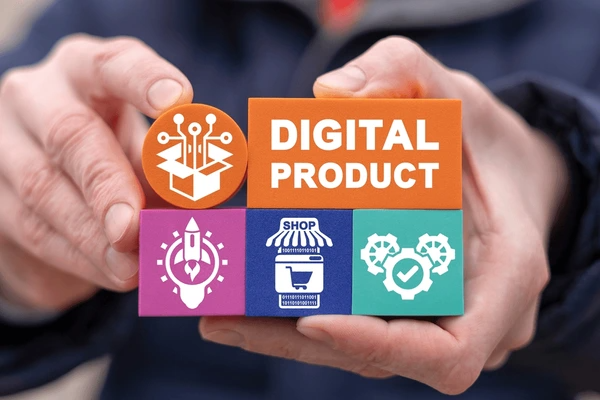
Digital products are tempting because they have nearly zero manufacturing, storage, or shipping costs. But they come with their own set of considerations:
- You’ll need to invest time upfront to create these products and keep adding fresh content to maintain a steady revenue stream.
- You might have to hire freelancers to produce some or all of your content, which means dealing with communication and needing some initial capital before your product launches.
- It could take a while before you see significant, consistent earnings—sometimes longer than with other business models.
- Despite the lack of production costs, you’ll still face sales and marketing expenses. Digital products are often priced lower, so you’ll need high volumes to make a decent profit, which means investing heavily in your online brand and driving traffic to your site.
- Going global means adhering to local standards and customs, as not all regions have free speech guarantees.
- You’ll need to dedicate time and resources to combating piracy, including potentially hiring legal help. If you’re operating in the UK or elsewhere, you’ll need to be familiar with relevant copyright laws and be ready to defend your work.
Handmade Goods
While digital products are all the rage, there’s also a growing demand for handmade items online. From hobbyists to professional artisans, people are making a good living from handcrafted goods. Even internet sceptics like Clifford Stoll, who once doubted online shopping, are now selling handmade items through online platforms.
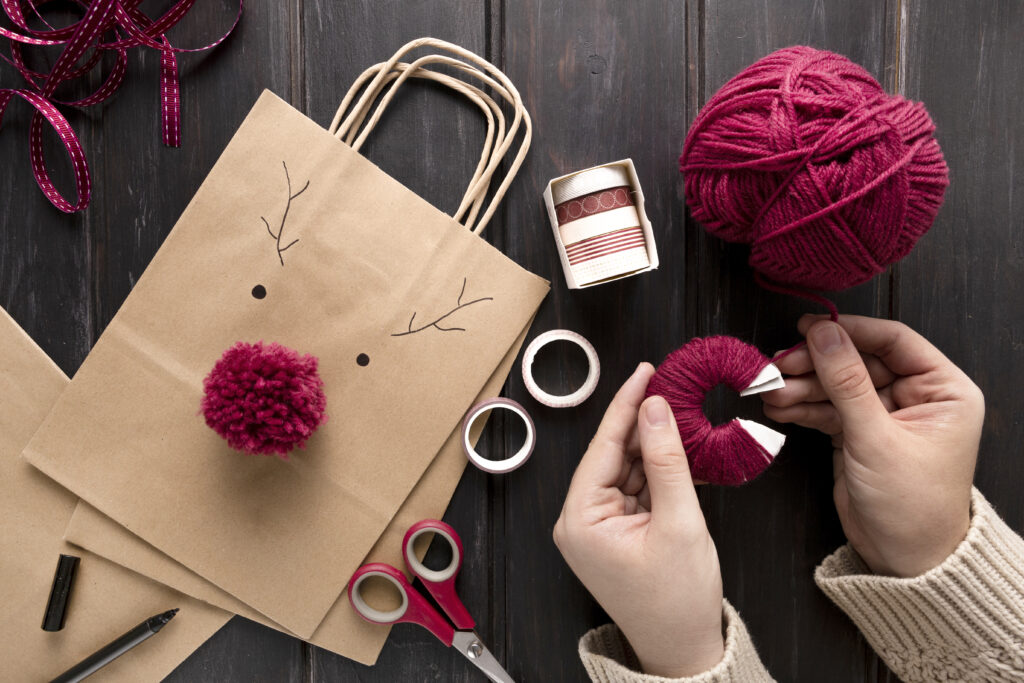
Living the dream by selling handmade goods sounds ideal, but it requires a strong business sense just like any other venture:
- Unlike digital goods, handmade items usually have longer lead times for orders.
- You’ll need to build and manage your own supply chain.
- Custom supply chains mean carefully sourcing raw materials. Sometimes you can find materials through regular retail, but often you’ll need wholesale channels. This requires proper registration and paperwork, like an Employee Identification Number (EIN), sales tax licence, and business registration.
- Upcycling materials—like using recycled glass or repurposed wood—can be trendy, but it requires ongoing effort to find and collect these materials, which may limit your inventory.
- You’ll retain customers by offering products with superior craftsmanship or sentimental value compared to mass-produced goods. This often means selling at a premium and targeting a smaller, higher-earning customer base.
Third-Party Inventory
If the complexities of digital and handmade goods seem overwhelming, you might consider stocking items manufactured by others. Here are two common methods for sourcing products this way:
Reselling
If you’ve ever flipped an item from a car boot sale or sold an old jacket at a second-hand shop, you’ve dabbled in reselling. Scaling this up online can turn it into a viable business. Here’s what to consider:
- You need a strong grasp of the market and the ability to identify good-quality second-hand items versus those that have depreciated.
- Sourcing items involves overhead. While platforms like eBay and local sales are useful on a small scale, they become less viable as your business grows.
- Creating a business from reselling often requires a resellers licence, especially for high-volume operations. This is essential for running a legitimate online store.
- For the best second-hand inventory, consider online auctions like Liquidation.com, which offer large lots of brand-name goods at significant discounts. This is a great way to build stock, but it requires expertise and competition for the best deals.
- You’ll be responsible for warehousing and logistics. While you might start with storing items at home, serious operations will need professional storage with proper security.
Drop Shipping
Drop shipping is a game-changer for online businesses. This method involves ordering products directly from a distributor who ships them to customers, sparing you the hassles of inventory and fulfilment. However, it comes with its own set of challenges:

- Distributors handle warehousing and shipping costs, but they’ll add a markup, making your products pricier than if you bought wholesale.
- Handling customer issues, like replacements for damaged items, can be tricky, as you’ll be relying on the distributor’s communication channels and schedules.
- The quality of drop shipping services varies widely, so be very careful when choosing a partner.
Contract Manufacturing
Finally, we have contract manufacturing, which blends many aspects of the above methods.
This approach allows you to sell physical goods at a reasonable markup and is less risky than digital goods, as physical items tend to have more predictable demand. You can put your unique spin on products and scale your business more easily. However, it’s not without its challenges:

- Upfront investment is required for product design, testing, and prototyping. While costs have decreased thanks to new tech, industrial-grade prototyping can still be expensive.
- Translating your design into a manufacturing process that maintains quality might require hiring a designer or engineer, adding to your costs.
- Quality of manufacturers varies greatly. You need to choose your contractor as carefully as you design your product.
- Drafting a solid contract is crucial and may require legal expertise, especially if outsourcing to places like China, where IP protection and local regulationscan be complex.
Conclusion
Running an online business can definitely offer a rewarding, flexible lifestyle and steady growth. However, whichever route you choose for sourcing or developing products, be prepared to put in significant effort and gain the right knowledge to ensure you’re doing it right.





The perfect pair! Custom Logo Cases TPU gel Apple iPhone Duo cases are in stock and ready for your custom creation ahead of the Apple iPhone Duo launch 🚀! Connect today for a complimentary proof and rendering. #AppleiphoneDuo #appleiphonecases #iphonecases #customiphonecases #CustomLogoCases ... See MoreSee Less
... See MoreSee Less
... See MoreSee Less