


If you’re ever curious about the potential of creating a private label as a business strategy, this might be the perfect chance to explore it.
In this post, you’ll learn the basic concepts of private labeling, how it works (or doesn’t), and how you can start developing your own private label products to grow or kick off your business.
What’s a Private Label?
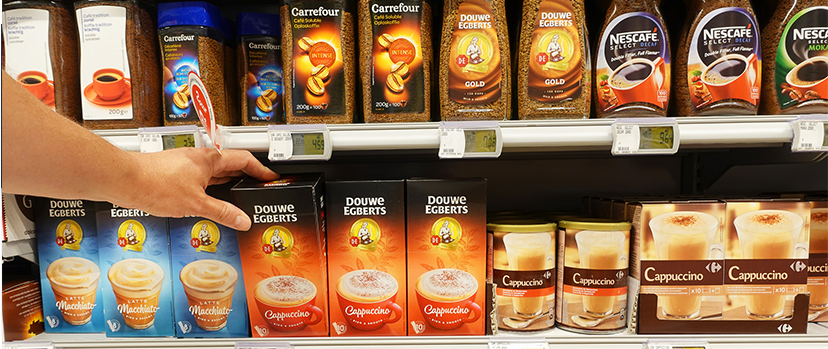
In simple terms, private label brands (or store brands) are products sold by a retailer that carry their own brand’s packaging and labelling but are produced by a third-party manufacturer. This allows retailers to influence the branding of the product to align with their own.
Though many consumers might not be familiar with private labeling, it’s a common practice for retail companies and manufacturers. Over time, these companies have developed various impressions and perspectives on its effectiveness as a business strategy.
White Label
There’s a subtle difference between a private label and a white label product.
While a private label product is exclusive to one retailer, a white label product is a generic item sold by multiple retail companies. These retailers simply rebrand the product according to their own preferences.
In essence, there’s no difference in the quality of the products sold by each retailer. However, the branding will differ between products.
Popular Examples
To give you a clearer idea of private label products, let’s look at a few popular examples available in the market today.
Tesco Value
In 1993, Tesco, a multinational grocery and general merchandise retailer based in the UK, was one of the first supermarkets to launch its value range, featuring blue-and-white striped branding and introducing consumers to ‘down to earth’ food options.
Tesco faced significant losses with this private label series as the products were extremely low-priced, and the packaging was so poor that it discouraged consumers from trusting its quality.

In 2012, Tesco launched a healthier and better tasting version under the ‘Everyday Value’ label, which promised much better quality than the Tesco Value series. This new line introduced a more colourful and appealing brand packaging to counteract the previous poor performance.
AmazonBasics
Amazon’s most popular private label product, AmazonBasics, offers a broad range of items including essential home goods like kitchenware, home improvement products, pet supplies, office materials, and electronic accessories.
They also feature the Amazon Collection, which includes a wide variety of jewellery, from affordable earrings and charm bracelets to high-end engagement rings and wedding pieces. Their most popular item is a pair of lab-created diamond stud earrings.
Macy’s Inc.
Macy’s Inc. owns several private labels including Alfani, Bar III, Charter Club, and Club Room. They also offer other merchandise exclusive to Macy’s, each designed to cater to specific niches within the apparel industry.

Young professionals building their workplace wardrobe or corporate executives preferring timeless and well-curated pieces can find quality clothing in Macy’s line of private label products.
Benefits to Retailers
A survey published by Statista in September 2020 comparing consumer behaviour from 2014 to 2019 revealed that 40% of respondents were more inclined to buy store brands over name brands and were even willing to pay more for them if they liked the store’s product.
This underscores how private labels are steadily gaining traction and capturing significant market share in the retail industry.
Influencing the Bottom Line
If you’re running a business, improving the bottom line will naturally be a top priority for you and your stakeholders.
Control over Inventory and Production
Manufacturers produce products based on orders from their retail partners, giving the company complete control over inventory levels, as well as the product ingredients and quality.
Control over Pricing and Profit Margins
Private labels don’t need advertising campaigns to boost sales. Consequently, retailers can sell these products at much lower prices compared to national brands found on adjacent shelves.
Typically, stores price their own labels around 30% lower than national brands, which positively impacts profit margins.
Impact on Customer’s Perception
Store brands are gradually overcoming their previously poor reputation. Whereas private label products were once seen as second-rate, consistently high-quality offerings now allow them to compete with national brands.
- Exclusivity and Branding
Retailers have exclusive rights to supply private label goods. This exclusivity enhances the perceived value of the products, making them a unique offering.

Excellent marketing can further increase demand for these exclusive products, positively affecting your margins.
Store brands also have complete control over product presentation. Some brands even mimic high-end names to drive sales, but, as seen with Tesco’s example, branding can significantly impact product performance, so it’s crucial to strategise carefully in this area.
- Adaptability
Retail companies can quickly adjust to sudden demand changes or shifts in customer behaviour by simply informing their partners to modify production volumes or tweak manufacturing processes.
Drawbacks
While there are drawbacks, they’re manageable with proper planning and funding to minimise avoidable issues.
Manufacturing Limitations
Since production is handled by third-party manufacturers, it’s vital to partner with reputable and established private label manufacturers to avoid issues with unreliable sources.
- Minimum Orders
Most private label manufacturers require minimum order quantities before entering into an agreement. Funds and preparedness are key here, as minimum order sizes are often larger than what you might initially want.
Dead Inventory
Retailers need to conduct thorough market research before committing to any product sources. Without proper research, they might end up with products that don’t appeal to the market, resulting in unsold or dead inventory.
Negative Conotation
Historically, private labels were associated with cheaper options rather than quality goods. This led to a decline in customer perception and a stronger preference for established brands. It’s crucial to understand your customers’ behaviour and preferences to counteract this.
Difficult to Build Brand Loyalty
Store brands often struggle to compete with well-established national brands that have dominated the market for decades. Limited access to private label products (available only at your store) might hinder brand loyalty, although this exclusivity can also add value.
Process of Private Labelling
Private labeling is a viable business model that could potentially provide a steady income if executed correctly. To get started, follow these steps to ensure success.
1. Conduct In-Depth Product and market research.
Analyse the specific qualities required for your product and conduct a thorough study of the market segment you want to target. This will help you understand consumer needs and expectations, allowing you to tailor your products accordingly.
2. Select a reputable and well-established product source.
Once you know what products to sell and the market segment to target, find a suitable manufacturer to partner with. Many people struggle at this stage due to the numerous options available. Ensure you choose a reliable supplier with a solid reputation.
Consider these questions when selecting a third-party manufacturer:
- Do they offer competitive pricing?
- Do they have a reputation for reliability?
- Do they have quality assurance standards in place?
For a detailed guide on selecting the right manufacturer, click this link.
3. Create a remarkable brand.
Creating a strong first impression is crucial for retaining customers. Branding includes not just your logo and name, but also your website, product listings, labels, packaging, and overall presentation.

All these elements contribute to the buying experience and can significantly impact your brand’s reputation. Ensure a seamless and appealing presentation to create positive consumer experiences.
4. Establish your business’ entity.
If you haven’t already, register your business legally. Register your company with the relevant government body and, depending on your products, consider securing trademarks or patents. Launch a website and register with local tax authorities. If selling on Amazon, set up a Sellers’ Central account as well.
5. Optimize your Amazon listings.
Amazon can offer significant growth opportunities if used effectively. Maximise your listings by including high-quality, visually appealing images (1500 x 1500 pixels is ideal) and crafting engaging product titles. Use relevant keywords throughout your listing to improve search visibility.
Will Private Labelling Contribute to Your Business Growth?
The appeal of private label brands is undeniable for both retailers and manufacturers. With the right approach, they can provide a sustainable income stream.
Like any business venture, success comes with perseverance, patience, discipline, and a commitment to continuous learning and growth.
Still unsure? Check out this article to understand how crucial corporate branding is in influencing buyer opinions of your product.

Bhushan spent the last 15+ years building businesses and learning what really matters to customers. At Custom Logo Cases, we help brands turn everyday tech accessories into high-quality, on-brand marketing tools.




The perfect pair! Custom Logo Cases TPU gel Apple iPhone Duo cases are in stock and ready for your custom creation ahead of the Apple iPhone Duo launch 🚀! Connect today for a complimentary proof and rendering. #AppleiphoneDuo #appleiphonecases #iPhoneCases #customiphonecases #CustomLogoCases ... See MoreSee Less
... See MoreSee Less
... See MoreSee Less