



Have you ever wondered how dirty your phone really is? It’s a question we might ponder briefly before dismissing it, yet the reality is quite startling. Think about how often you handle your phone throughout the day—taking it everywhere from the train to the dinner table, even the bathroom (let’s be honest). Your phone not only accumulates everything you touch but also picks up bacteria and viruses from various surfaces and people.
Research shows that phones can harbour far more bacteria than commonly perceived. In fact, they can host significantly more bacteria than a public toilet seat. Recently, experts have highlighted that viruses like COVID-19 can survive on plastic and stainless steel—materials predominant in phone manufacturing—for up to 2-3 days, especially in cooler conditions, prompting ongoing scientific scrutiny.
Given these findings, it’s essential to consider cleaning your phone regularly. Daily cleaning and periodic sterilisation can help mitigate the risk of transferring harmful bacteria and viruses. In times of uncertainty, such as during outbreaks of illnesses like COVID-19, taking precautions like cleaning your phone becomes even more crucial.
Table of Contents
How Dirty Is My Phone?
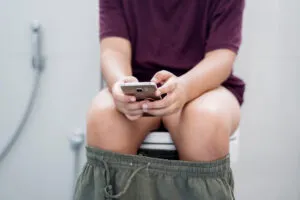
To put things into perspective, according to the Seattle Times, your phone can harbour up to 25,000 bacteria per square inch (around 6.5 square cm). This is roughly 20 times more bacteria than what’s typically found on a toilet seat, 10 times more than on a pet food bowl, 6 times more than on a checkout touchscreen, and 4-5 times more than on a doorknob. In short, it’s quite unsettling!
How to Clean and Disinfect Your Phone
There are several methods and materials available to keep your phone clean. Some can be easily found at home, while others are specialised phone cleaning products. Some methods are effective against grease and dust, while others provide more comprehensive disinfection. Below, we’ll explore various cleaning methods, their advantages, and what they are best suited for.
Phone Cleaning Methods
- Home Materials DIY
- Rubbing Alcohol and Water
- Antibacterial wipes
- Alcohol based wipes
- UV light
How to Clean Your Phone with Household Items
Cleaning your phone at home can be done effectively using items commonly found in your kitchen or bathroom, although the results may vary.
Microfiber or Soft Cloths
Microfiber and soft cloths are highly recommended for cleaning phones, similar to how you clean eyeglasses or other screens and gadgets. They’re great for removing grease, smudges, and fingerprints.
Instructions:
- Wash Your Hands: Begin by washing your hands thoroughly to avoid transferring more dirt to your phone.
- Remove Phone Case: Take off your phone case and clean it separately.
- Dampen Cloth: Dampen a microfiber cloth with a small amount of water. Optionally, you can add a bit of mild soap to improve cleaning.
- Gently Wipe Phone: Carefully wipe the cloth over the entire phone — front, back, and sides — making sure to cover every area.
- Rinse if Using Soap: If you used soap, rinse another part of the cloth with water and wipe again to remove any residue.
- Avoid Excess Water: Be careful not to use too much water, as it could seep into ports and potentially damage your device. Avoid using rough cloths or sponges that might scratch the screen.
Pros:
- Easy and convenient to do.
- Materials are usually found in most homes.
- Removes smudges, grease, and other dirt effectively.
- Portable — you can take cloths anywhere to clean your phone.
Cons:
- Might not completely remove bacteria and viruses from the surface.
- Using too much water or soap could harm your phone, so use them sparingly and carefully.
Rubbing Alcohol and Water
This method is a DIY approach that effectively sterilises your phone, killing most bacteria and viruses present. While the materials aren’t typically found at home and require purchase, once you have them, they can be used repeatedly. It’s likely the most cost-effective and efficient method if used correctly.
Tools and Ingredients:
- Water
- Microfiber cloth
- Spray bottle
- Isopropyl alcohol, 70%
Instructions:
- Wash Your Hands: Start by washing your hands thoroughly.
- Prepare the Solution: Mix equal parts of water and isopropyl alcohol (70%) in a clean spray bottle. Shake well to mix.
- Apply to Cloth: Spray the mixture onto a microfiber cloth, ensuring it doesn’t get too wet.
- Remove Phone Case: Take off your phone case.
- Clean Your Phone: Gently wipe the damp cloth over the entire phone — front, back, and sides.
- Clean Ports and Speakers: Use a cotton bud dipped in the mixture to clean dirty ports and speakers, taking care not to make them too wet.
Pros:
- Highly effective in cleaning and sterilising your phone, killing bacteria and viruses.
- Cost-effective as the ingredients are inexpensive and the cleaning solution lasts a long time compared to single-use wipes.
- Environmentally friendly with less packaging waste.
Cons:
- Requires careful mixing to ensure the correct proportions.
- Excessive moisture could potentially damage the phone.
- Not very portable; more suited for home use.
Vinegar and Water Mix
Mixing vinegar and water is a well-known method for cleaning, harnessing vinegar’s natural properties that are tough on bacteria and effective against dirt and other substances. Vinegar has a long history of use in household cleaning and can be adapted to clean your phone effectively. It’s also been found to kill many household pathogens and is effective against the flu virus, making it one of the easiest DIY methods for phone cleaning, especially since vinegar is commonly found in most households.
Materials:
- White vinegar
- Water
- Container or spray bottle for mixing
- Soft cloth
Instructions:
- Mix Solution: Combine equal parts of water and vinegar (50% each) in a container or spray bottle. This ratio is effective but can be adjusted according to preference.
- Apply to Cloth: Dip a soft cloth into the mixture or spray it onto the cloth. Ensure the cloth is damp but not dripping wet.
- Clean Your Phone: Gently wipe the damp cloth over all surfaces of your phone — front, back, and sides.
- Be Cautious: Avoid excessive moisture that could potentially damage your phone.
Pros:
- Easy to use with readily available household items.
- Vinegar is commonly found in most homes.
- Effective against a range of household bacteria and pathogens, including the flu virus.
Cons:
- Not easily portable, primarily suitable for home use.
- May not completely remove bacteria and viruses from the phone’s surface.
- Excessive moisture can potentially damage the phone, so use sparingly and cautiously.
Antibacterial or Disinfectant Wipes
If you prefer not to mix your own cleaning solution, there are many pre-made wipes available for purchase. As of March 2020, Apple has updated its guidelines to include Clorox Disinfecting Wipes as suitable for cleaning non-porous surfaces of devices, ensuring none enter any openings.
Clorox disinfecting wipes claim to eliminate 99.9% of bacteria, germs, and viruses on surfaces and are safe for use on most materials. Be sure to check the ingredients on other wipes to avoid any that are corrosive or bleach-based, as these can potentially damage your phone.
However, it’s important to note that these products cannot yet confirm their effectiveness against the new COVID-19 virus until further studies are conducted.
Instructions:
- Remove from Pack: Take a wipe from the pack.
- Wipe Your Phone: Gently wipe all edges and surfaces of your phone.
- Allow to Dry: Let the phone air dry.
Pros:
- Easy and convenient to use.
- Available in multi-packs for added convenience.
- Travel-friendly and fairly portable.
Cons:
- Packaging may not be very portable due to the size.
- Not proven effective against COVID-19.
Alcohol-based Wipes
Apple recently approved the use of 70% alcohol-based wipes to clean their devices. Alcohol has been used for centuries as a disinfectant and steriliser. You’ve probably seen in movies how alcohol is poured over wounds to sterilise them, a practice that dates back to ancient Egypt. But how does alcohol actually kill bacteria? In simple terms, it works through a process called ‘denaturation‘. Alcohol molecules attach to and disrupt the structure of bacteria and viruses, breaking them down.
How to Use:
- Remove from Packet: Take a wipe from the packet.
- Wipe Your Phone: Gently rub all edges and sides of your phone. The alcohol content helps the solution evaporate quickly.
- Allow to Dry: Leave the phone to air dry.
Pros:
- Portable sachets that can be easily carried in pockets or shared with others.
- Effective against bacteria and viruses.
- Wipes remain viable in the packet for extended periods.
Cons:
- Small size may not cover larger devices or multiple cleanings.
- Generates a lot of packaging waste.
UV Light-based Cleaning
Ultraviolet (UV) light is known for its ability to kill organisms by disrupting their molecular structure. This technology is widely used in hospitals and medical fields. Recently, companies have developed devices specifically designed to disinfect phones and other small gadgets. One example is PhoneSoap, which offers various styles of UV light devices.
Pros:
- Effectively disinfects without the need for cleaning agents or wipes.
- Safe and natural method of disinfection.
Cons:
- Expensive initial investment.
- Not easily portable.
- Requires time for the disinfection process.
- Does not remove grease or fingerprints.
- Availability of devices may vary.
How to Clean Phone Cases
Most people use a case to protect their phones from damage, as they are prone to breakage with their glass screens and frequent use. However, phone cases, like phones themselves, can accumulate germs, bacteria, and viruses from daily use.
Phone cases are made from various materials, so it’s essential to exercise caution when cleaning them. Not all methods may work the same for every type of case. It’s advisable to test any cleaning method on a small, inconspicuous area of the case first to ensure it doesn’t cause damage.
General Cleaning Method:
- Materials Needed: Mild soap, warm water, soft cloth or non-abrasive brush.
- Instructions:
- Fill a sink or basin with warm water.
- Add a small amount of mild soap.
- Submerge the phone case in the soapy water.
- Use a soft cloth or non-abrasive brush to gently scrub the case, paying attention to any textured or hard-to-reach areas.
- Rinse the case thoroughly with clean water.
- Allow the case to air dry completely before placing it back on your phone.
Specific Advice:
- Plastic or Silicone Cases: These can generally be cleaned using the above method.
- Leather Cases: Avoid soaking in water. Instead, use a damp cloth with mild soap to gently wipe the surface.
- Fabric or Cloth Cases: Check manufacturer instructions as they may require specific cleaning methods to avoid damaging the material.
Hard, Gel, and Silicone Cases
Hard, gel, and silicone phone cases are among the easiest and least risky types to wash because they are typically manufactured to withstand exposure to hot or warm water.
Materials Needed:
- Dishwashing liquid
- Soft cloth or non-abrasive scrubbing brush
- Warm water
Instructions:
- Prepare the Cleaning Solution: Fill a basin or sink with warm water and add a small amount of dishwashing liquid.
- Clean the Case:
- Submerge the phone case in the warm, soapy water.
- Gently rub or brush over the entire surface of the case to remove dirt and grime.
- Rinse Thoroughly: Take the case out of the water and rinse it with cold water to remove any soap residue.
- Dry: Place the case in a ventilated and clean area to air dry completely.
Note: If your case has a printed or custom logo, there is a possibility that frequent washing may cause the print to fade over time. This shouldn’t affect the case’s functionality but may impact its appearance.
This method effectively cleans and disinfects your phone case from most bacteria and viruses.
Leather and Wallet Cases (Real and PU/Faux Leather)
Cases made from leather, including hard leather cases and wallet-style cases, can be more challenging to clean.
PU/Faux Leather Cases:
- PU/faux leather can generally be cleaned using soap and water, as described in the method above. This type of material is synthetic and tends to withstand cleaning agents better than real leather.
Real Leather Cases:
- Real leather cases require more care as they can become dry and cracked if exposed to regular dishwashing soaps.
- Check whether your case is made from real or faux leather.
- If it’s faux leather, use the method mentioned earlier.
- For real leather:
- Use a leather-specific cleaner to clean the leather part of the case.
- Use one of the phone cleaning methods for the non-leather parts of the case.
- Leave the case to dry, or allow the leather cleaner/conditioner to work as per the product’s instructions.
- Follow any additional instructions provided with the leather cleaner or the phone case itself.
Note: It’s important to follow the instructions on the leather cleaner/conditioner to ensure the best results and avoid damaging the leather.
Skins and Screen Protectors
Skins and screen protectors can be cleaned using similar methods. Ensure you thoroughly wipe both the skin and screen protector using any of the cleaning methods mentioned. Take care with skins, as there is a possibility that ink may run or fade over time.
As for screen protectors, over time, many of them may begin to lift at the edges. This creates a space underneath where bacteria and viruses can accumulate. If you notice the screen protector starting to lift:
- We recommend removing it completely or replacing it with a new one.
- Before applying a new screen protector, clean the screen thoroughly to ensure a good adhesion.
What Not to Use to Clean Your Phone and Phone Case!
While many substances effectively clean, disinfect, and sanitize your phone and its case, there are several you should avoid. These can cause permanent damage to the oleophobic coating on your phone screen, which helps repel fingerprints and oils from daily use. Here’s a list of what not to use:
- Bleach
- Ammonia
- Abrasive powders
- Hydrogen peroxide
- Aerosol spray cleaners
- Window cleaners
- Regular household cleaners
- Harsh solvents
Tips and Tricks for Keeping Your Phone Clean
- Wash Your Hands: Clean hands reduce the amount of dirt and germs transferred to your phone.
- Minimize Sharing: Avoid putting your phone down or letting others handle it.
- Clean Regularly: If you use your phone frequently or are often in public places, clean it multiple times a day.
- Clean Your Phone Case: Don’t forget to clean your phone case regularly as well.
- Reduce Usage: Avoid unnecessary exposure to germs by minimizing phone use in high-risk areas like bathrooms.
- Wash Your Phone Case: Ensure your phone case stays clean to prevent transferring germs back to your phone.
Where to Buy Phone Cleaners
You can find most cleaning materials at your local convenience store, and you may already have some at home. Depending on your needs, here’s where you can purchase specific products:
- Microfiber Cloths: Convenience stores and supermarkets.
- Soap: Convenience stores and supermarkets.
- Vinegar: Convenience stores and supermarkets.
- Isopropyl Alcohol: Hardware stores and pharmacies/chemists.
- Spray Bottles: Hardware stores.
- Antibacterial Wipes: Supermarkets and online.
- Alcohol-Based Wipes: Online.
- UV Phone Cleaners: Online.
HOW TO CLEAN YOUR PHONE VIDEO
FAQS
IS A MOBILE PHONE DIRTY?
In perspective, a mobile phone has been shown to have up to 18 times more bacteria than a public restroom.
CAN COVID-19 SURVIVE ON A MOBILE PHONE?
Yes, COVID-19 can survive on different surfaces for several hours or days, as shown in recent studies.
CAN YOU CLEAN COVID-19 FROM YOUR MOBILE PHONE?
Yes, cleaning your phone, similar to cleaning your hands, can help remove or reduce the virus.
SHOULD YOU CLEAN YOUR PHONE?
Yes, your phone is touched hundreds of times a day on average, so it’s advisable to wash or sterilize it multiple times a day for safety.
HOW OFTEN SHOULD I CLEAN MY PHONE?
It depends on your usage, but if you’re out and about, it’s wise to sterilize your phone whenever you wash your hands.
WHAT PRODUCTS CAN I USE TO CLEAN MY PHONE?
There are various products you can use to effectively clean your phone. Please refer to our guide above for cleaning methods.
WHAT WILL DISINFECT MY PHONE?
Several substances like vinegar, rubbing alcohol, UV light, and specialized phone wipes have been proven effective in safely cleaning phones. Be cautious as some substances can harm phones.
SHOULD I CLEAN MY PHONE CASE?
Yes, you should clean your phone case since it comes into contact with your hands and surfaces.
SHOULD I REMOVE MY PHONE CASE?
You don’t need to remove your case, but ensure to clean both your case and phone surfaces regularly.
SHOULD I CLEAN MY TABLET AND LAPTOP?
Yes, it’s important to clean and sterilize your tablet, laptop, and other frequently touched items to prevent exposure to harmful pathogens.
WHAT ABOUT MY PHONE’S OLEOPHOBIC COATING WHEN CLEANING IT?
The oleophobic coating on phones naturally diminishes over time with regular use. Harsh cleaning methods may speed up this process. The normal cleaning methods listed above are generally safe for cleaning your phone.
CAN YOU USE SOAP ON YOUR PHONE?
Avoid using soap directly on your phone. If necessary, use a cloth dampened with water and a mild soap solution. Take care not to let any liquid enter the ports or buttons.
DOES UV PHONE CLEANER WORK?
Yes, UV light as a cleaning method has been proven effective and is widely used in the medical field. Specialist phone cleaning machines using UV technology are available.
CAN YOU USE CLOROX WIPES ON YOUR PHONE?
Apple states that Clorox Disinfecting Wipes can be used on their phones and devices, which generally applies to most devices from other manufacturers as well.
CAN YOU USE LYSOL WIPES ON YOUR PHONE?
There is no specific guidance from phone manufacturers regarding the use of Lysol wipes on phones.
CAN I USE ALCOHOL BASED WIPES TO CLEAN MY PHONE?
Yes, alcohol-based wipes with 70% concentration can be safely used on phones, according to Apple.
ARE ALCOHOL BASED WIPES SAFE?
Yes, alcohol wipes typically use Isopropyl alcohol mixed with water on a small cloth. The high alcohol concentration ensures quick and safe evaporation.
- Coronavirus Resource Center by Harvard
- Provides comprehensive information about COVID-19, including transmission, prevention, and updates on research.
- Link: Coronavirus Resource Center by Harvard
- How to Clean Your Apple Products, Apple Support
- Official guidelines from Apple on how to safely clean and disinfect your Apple devices, including iPhones and iPads.
- Link: How to Clean Your Apple products, Apple
- Your Cell Phone is 10 Times Dirtier Than a Toilet Seat, Time
- Discusses the bacteria levels found on cell phones compared to other commonly touched items.
- Link: Your Cell Phone is 10 Times Dirtier Than a Toilet Seat, Time
- Does Alcohol Kill Bacteria? Sciencing
- Explains how alcohol, specifically Isopropyl alcohol, effectively kills bacteria and viruses.
- Link: Does Alcohol Kill Bacteria? Sciencing
These resources should provide you with further insights and guidelines for effectively cleaning and maintaining the cleanliness of your mobile devices.
Ensuring your mobile phone remains clean is crucial not only for hygiene but also for reducing the risk of spreading harmful pathogens. By following recommended cleaning methods and using appropriate disinfectants, you can maintain a healthier environment for yourself and others. Stay informed with reputable sources like those provided, and remember that regular cleaning practices can significantly contribute to keeping your devices safe and functional.
If you have any more questions or need further assistance, feel free to ask!

Bhushan spent the last 15+ years building businesses and learning what really matters to customers. At Custom Logo Cases, we help brands turn everyday tech accessories into high-quality, on-brand marketing tools.



... See MoreSee Less
Aspen K12 Colorado ... See MoreSee Less
📱✨ Your phone. Your style. Your logo.
Turn your brand, business, team, or favorite design into a custom phone case!
👉 Shop now at CustomLogoCases.com
#CustomPhoneCases #phonecase #BrandedMerch #MagSafeCases #BrandedPhoneCases ... See MoreSee Less