



Understanding Private Labelling: A Guide for UK Sellers
Private labelling is an enticing business model for many. It offers both independence and security, making it a popular choice for sellers looking to carve out their niche.
With a private label, you can be sure that there’s a demand for your products, all while establishing your own unique brand.
However, the allure of private labelling also brings with it significant competition. The landscape is challenging, and not everyone thrives in it.
To succeed, you need to be well-informed and strategic. So, how can you excel with private labelling? Before diving into strategies, it’s crucial to grasp what private labelling is all about.
In this article, we’ll take you through the essentials of private labelling. We’re eager to guide you through this process and hope you’re equally enthusiastic about learning.
What Are Private Labels?
Let’s start with the basics. What exactly are private labels?
Private labels are products manufactured by a third party or local craftsman, but sold under your own brand name.
These products are typically generic, and your goal is to set them apart from those of larger retailers.
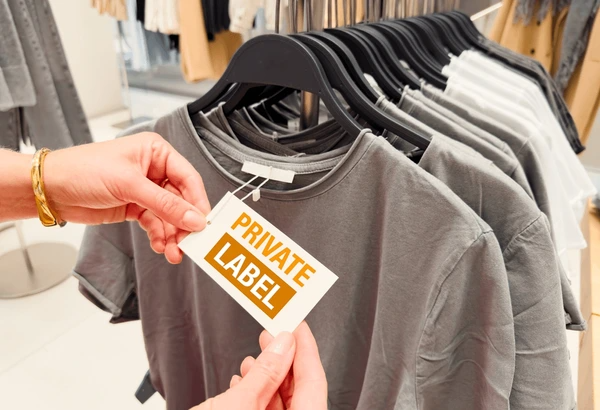
You begin with a product that has broad appeal—something people need regularly, like food, clothing, or toiletries. While everyone needs these items, they are more likely to stick with brands they trust. Without your own brand, your product could easily get lost in a crowded marketplace.
Now that you have a basic understanding of private labelling, are you ready to create and sell your own products? Let’s explore further.
Benefits of Private Labelling
Private labelling comes with several advantages, and you can even manage multiple private labels. But is it the right choice for you? Here’s a rundown of the benefits:
- Higher Profit Margins
One of the main attractions of private labelling is the potential for higher profit margins. While your production costs might be slightly higher than generic options, your selling price can be significantly higher, reflecting the perceived value of your brand. Customers are often willing to pay more for a trusted brand, and as your reputation grows, so can your sales. This allows you to either expand into new product lines or increase sales volume over time. - Exclusivity
Private labelling offers the benefit of exclusivity. Even if you’re selling a common product like sandals, your unique branding makes your product stand out. This sense of exclusivity appeals to customers, making them feel they are buying something special. It also gives you an edge in the market by highlighting your unique selling points. - Unique Branding
Branding is a creative process that offers a sense of ownership. Whether your initial product succeeds or not, your brand remains yours. You can pivot to different products while retaining your brand identity, or you might choose to rebrand the same product. Branding is an investment and a chance for you to explore and express your creativity. - Defined Marketing Strategy
Having a brand name enhances your marketing strategy. For example, if you sell freshly pressed juices, being a branded entity allows you to talk about more than just the product. You can discuss related topics like nutrition, gardening, or the benefits of different fruits. This broader identity helps you build a social media presence and connect with your audience in various ways.
Risks to Consider
While private labelling has its perks, it also comes with risks. Being aware of these risks is crucial if you’re considering this route:
- Quality Control
As a private label owner, you control the brand but not the production. Your manufacturer handles the actual product, so it’s essential to ensure the product meets your standards. Regularly monitor and manage the quality to maintain consistency throughout your business.
- Reliability and Responsibility
If customers have complaints about your product not matching its description or marketing, you’re responsible for addressing these issues. While you can raise concerns with your manufacturer, the final responsibility for resolving complaints lies with you, as you’re representing the brand. - Staying Unique
Standing out in the market can be challenging. If your brand image resembles that of your competitors or if you inadvertently copy ideas, it can damage your credibility. Conduct thorough research to ensure your brand offers something genuinely unique to avoid being perceived as a copycat. - Legal Compliance
As the face of your brand, you’re accountable for legal issues, such as patent rights, regulations, and health and safety standards. Ensure that your products comply with all relevant laws to avoid legal problems. Always review product samples carefully before committing.
Is Private Labelling Right for You?
With an understanding of private labelling, do you think it’s a good fit for you? If you’re enthusiastic about the potential and ready to navigate both the benefits and risks, private labelling might be the right path.
Private labelling suits individuals who are keen to grow, start small, and expand as they succeed. It requires adaptability and a willingness to learn from failures. If you’re ready to engage in both the technical aspects of working with manufacturers and the creative side of brand development, private labelling offers a wide range of opportunities.
There’s no limit to what you can achieve with private labelling, so do you think you’re up for the challenge?
The Costs of Private Labelling
When embarking on the journey of private labelling, it’s crucial to understand the costs involved. Here’s a breakdown of the expenses you might incur when starting your own private label business. Just like any venture, it’s wise to budget for unexpected costs that might arise.
Manufacturing Costs
The primary expense you’ll face is the cost of manufacturing your product. This can vary significantly based on your choice of manufacturer.
For most private labelling ventures, you’ll pay for the finished product and any additional shipping costs, without needing to worry about material or labour costs. Some manufacturers offer comprehensive services, including packaging, while others might not.
When setting up your private label, it’s essential to research different manufacturers and possibly engage more than one. For larger private labels, you may need to cover both material and labour costs, whereas smaller labels often focus on product selection and packaging, leaving the manufacturing to others.
Additional costs may include storage fees or software to track your inventory. Initially, these costs might be modest, but effective planning will help minimise future expenses once your business is operational.
Branding Costs
Branding is another significant expense. While you can manage some aspects yourself, you might need a professional team for a polished result.
The branding process starts with brainstorming and creating a brand portfolio. A design consultant can assist in developing your logo and packaging. Once your designs are finalised, you’ll need a printing and packaging partner. Some manufacturers offer these services, while others may require you to handle packaging separately.

Creating a branding strategy may require professional help, or you could choose to educate yourself through courses or online tutorials. This investment is crucial, as branding is as important as the product itself and should be considered a long-term investment.
Marketing Costs
Marketing is a vital but often substantial cost. While it might not exceed your manufacturing expenses, it’s critical to allocate a significant budget for effective marketing.
As a private label owner, you have control over your marketing spend. You can choose various strategies and platforms to promote your products, though it’s important to avoid overspending on poorly planned ads. Effective marketing requires careful management and strategic planning.
Marketing is an ongoing expense, and even if your business is thriving, continuous innovation is essential to stay competitive. Complacency can lead to a decline in success, so always be prepared to evolve your marketing efforts.
Finding the Perfect Product
With your finances in order, the next step is to identify the ideal product for your private label.
Start by considering products you use and enjoy regularly. For instance, if you’re passionate about kitchen tools, you might begin with cutting boards. Evaluate various options and identify areas for improvement or innovation.
Define your target market: professionals, home cooks, restaurants, or another specific group. Conduct thorough market research to understand your potential customers and select a product that meets their needs.
Look for products with consistent demand but limited competition. Choose items that offer potential for expansion, allowing your business to grow over time.
Here are some product ideas:
- Clothing: The clothing category offers vast opportunities, from tops and bottoms to accessories. Consider various styles, from casual wear to formal attire.
- Beauty Products: This category spans a range of items, including makeup, skincare, and grooming products. You can cater to all genders and expand your offerings as your business grows.
- Swimwear: Swimwear can be a standalone niche or part of a broader clothing line. Consider different types, from sportswear to beach accessories.
- Electronics: Electronics range from simple items like calculators to more complex products like earphones. Ensure you understand the products and their market potential.
- Kitchenwares: From cutting boards to high-end kitchen tools, this category offers numerous possibilities. Focus on unique features and high-quality products to build trust.
Finding the Right Manufacturer
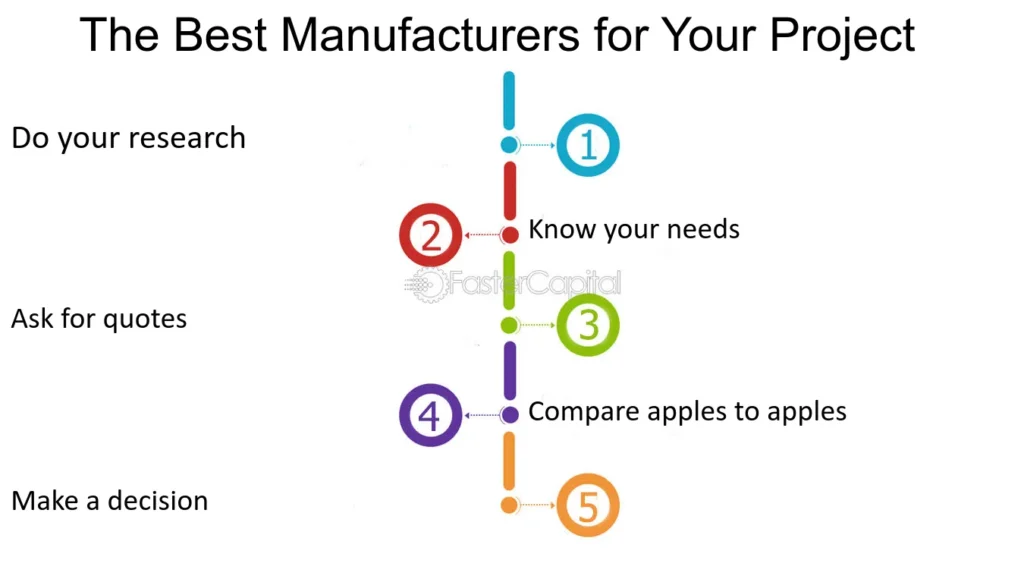
You can find manufacturers online or through local artisans. Platforms and forums like Reddit, Warrior, and Salehoo, as well as marketplaces such as Amazon, Alibaba, and eBay, are good places to start.
When selecting a manufacturer, consider the following:
- Capabilities: Ensure they can meet your product standards and handle your specific needs. Assess their ability to scale with your business and handle various product types.
- Minimum Order Quantity (MOQ): Start with manufacturers that offer a low MOQ if you’re new to private labelling. For established businesses, a higher MOQ might indicate stability and confidence in their products.
- Pricing: Look for value rather than just the lowest price. Consider flexible pricing options that allow you to scale your orders based on demand.
- Product Quality: Request samples to verify product quality. Ensure that what you receive matches your expectations and the initial samples. A clear payment plan, such as paying part upfront and the remainder upon satisfaction, can mitigate risks.
Contacting Your Chosen Manufacturer
Once you’ve narrowed down potential manufacturers, it’s time to make contact. Be thorough in your communications and ask insightful questions beyond basic details like price and MOQ.
Negotiate terms such as custom packaging, periodic shipping, and any additional fees. Ensure that your interactions are professional and respectful to build a good working relationship.
Effective communication and thorough research will help you find a manufacturer who can support your business goals and contribute to your success.
Getting the Perfect Sample
So, what exactly makes a sample “perfect”? Before you dive into mass production, it’s crucial to get a sample of your product to ensure it meets your expectations. This way, you can avoid wasting time, money, and resources on fixing a large batch of products. Instead, you can address any issues with just one sample.
What qualifies as “perfect”? While perfection is subjective, as an entrepreneur, your sample should match your vision for the product. Once the sample aligns with your expectations, you’ve found your perfect prototype.
Regardless of the size of your business, obtaining a sample is a standard practice. Even if you’re crafting something simple, like a rice box, you need a sample of your ideal box to replicate. Document every detail of the sample so you can ensure consistency in production. It’s part of effective production control.
Before committing to a larger order, negotiate with your manufacturer about the sample production process. Discuss how long it will take, how many revisions are allowed, and ensure that the sample is provided before your main order.
Building The Perfect Brand

With your product ready, it’s time to focus on creating a strong brand. Here’s how to build the perfect brand for your private label:
- Choosing an Identity Develop a backstory for your brand. Define your vision, mission, and the problems your product aims to solve. Identify a unique selling point that will make customers choose your brand over competitors.
- Creating a Logo Once you have your brand’s backstory, design a logo that visually represents your brand. Your logo should combine your brand name, product, and philosophy into a memorable icon.
- Setting Up a Website & Listings Establish an online presence by creating a website and listing your products. Decide where you want to sell—whether on Amazon, offline, or through social media—and tailor your online presence accordingly.
- Being Active on Social Media Regardless of your sales platform, social media is crucial for marketing. It’s cost-effective and helps connect your product with the public. Consistency is key, so stay active and engage with your audience.
Successfully Marketing Your Private Label Products
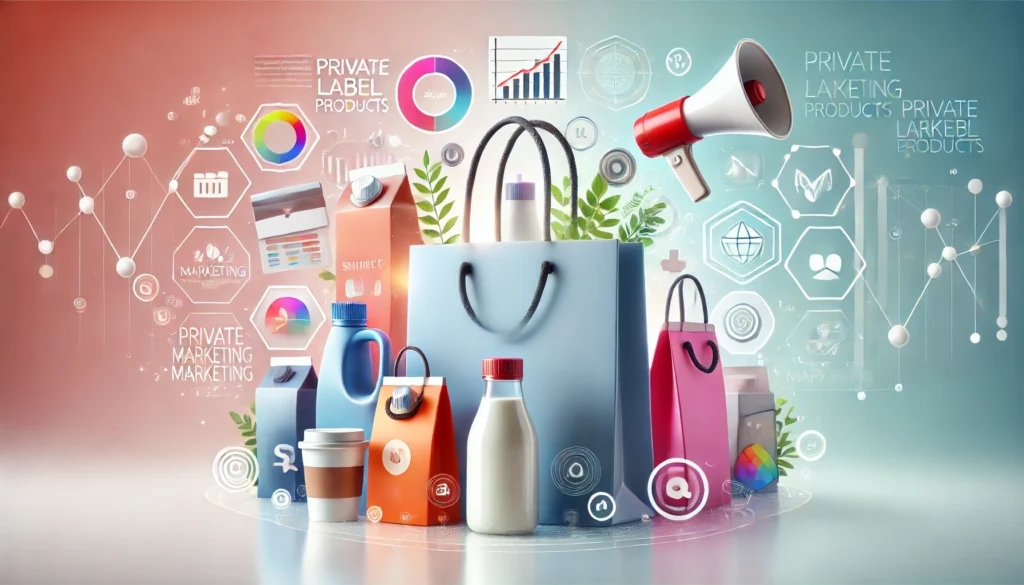
To effectively market your private label products, follow these steps:
- Know Your Target Market Understand who your target market is, what they like, and where they spend their time. Use platforms and social media channels that they frequent to reach them effectively.
- Showcase Your Products Invest in high-quality photography to present your products professionally. Make sure your images convey confidence and appeal.
- Craft Compelling Copy Write engaging product descriptions that highlight features, measurements, and colour options. The more detailed and informative, the better.
- Consider Ads While ads can be a significant investment, they can boost visibility and sales. Experiment with different advertising platforms, such as Google, Amazon, or social media, to find what works best for you.
Get Started On Your Project!
Congratulations on reaching the end of our guide! From understanding private labels to successfully marketing your products, you now have the knowledge to start your own private label venture.
It’s time to put your ideas into action. Plan, research, and prepare carefully. Remember, success doesn’t come overnight—it requires dedication and effort. So, grab your idea book, start mapping out your private label strategy, and take that crucial first step.
Good luck on your private label journey! For more insights on private label products, start here.

Bhushan spent the last 15+ years building businesses and learning what really matters to customers. At Custom Logo Cases, we help brands turn everyday tech accessories into high-quality, on-brand marketing tools.



The perfect pair! Custom Logo Cases TPU gel Apple iPhone Duo cases are in stock and ready for your custom creation ahead of the Apple iPhone Duo launch 🚀! Connect today for a complimentary proof and rendering. #AppleiphoneDuo #appleiphonecases #iphonecases #customiphonecases #CustomLogoCases ... See MoreSee Less
... See MoreSee Less
... See MoreSee Less